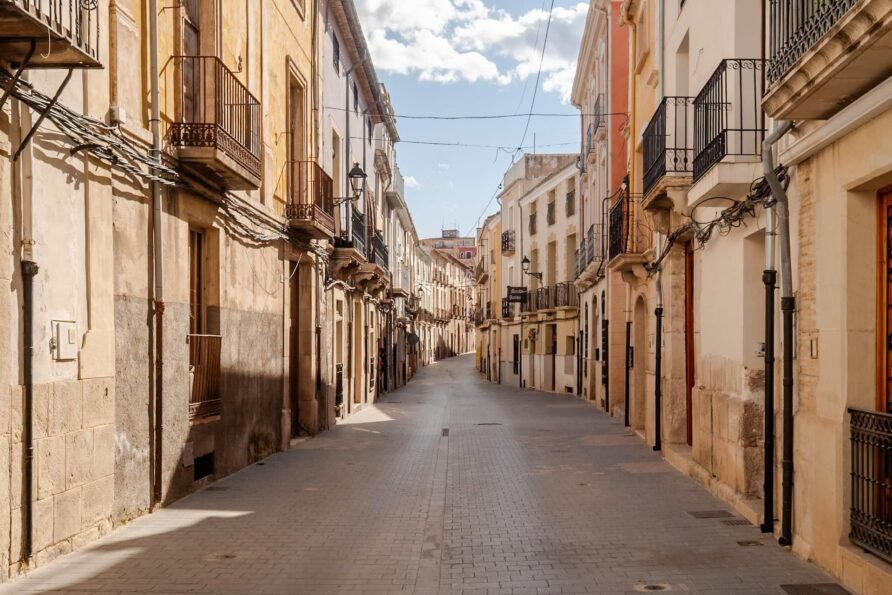
Blog

Les Festes de Vaca de Castalla 2027: your guide to the San Roque bull festival

Les Festes de Vaca de Castalla 2027 will fill the town, as they do every August, in honour of its patron saint, San Roque. The name means the cow festivals, and that is what they are: encierros (bull runs through the streets), sueltas de vaquillas y toro (young cows and a bull let loose in the streets), open-air dances and several days of streets full of people until the early hours. Along with the Moros y Cristianos (Moors and Christians), it is one of the two big dates in Castalla’s festival calendar, and since 2026 it has also carried the title of Fiesta de Interés Turístico Local de la Comunitat Valenciana, a regional designation for events of local tourist interest.

If you are travelling in for Les Festes de Vaca de Castalla 2027 — or thinking about it, with children in tow, and you are not quite sure what you would be walking into — this is what to expect: how the programme works, what there is to do if you would rather keep well away from a suelta, and the one real deadline worth watching, the grandstand seats.

San Roque, the saint behind the festival

Les Festes de Vaca are held in honour of San Roque, patron saint of Castalla, whose feast day falls on 16 August. They are organised by Castalla Town Council and the Comisión de Vaca, the festival’s own committee, with the participation of the La Paloma ganadería, the cattle ranch that supplies the animals. Which of them takes the lead as main organiser changes from one year to the next, but all three are always behind it.

Since 2026 the festival has also been declared a Fiesta de Interés Turístico Local de la Comunitat Valenciana.

As for how deeply it runs in the town, the Mayor of Castalla and councillor for festivals, Jesús López, pointed out in 2025 that it is a celebration “in which even more people take part than in the Moros y Cristianos”.

The bull events, set out plainly

The programme repeats itself, with variations, edition after edition:

  • A pasacalles (street parade) and the opening chupinazo (the rocket that fires the festival into life), with the town band, marching from Avenida República Argentina to the Town Hall.
  • Night-time encierros in the small hours, with young cows and a bull released along the course; there are afternoon releases too.
  • A morning encierro, followed by a release.
  • The closing event, with the last release of the festival.

The route of the encierros is not fixed: it changed in each of the last two documented editions, and the Town Council announces it as news every time, so check it in the programme for the year you come. To watch safely, the advice never changes: follow the instructions of the Town Council and the organisers. If you would rather watch sitting down and without surprises, the answer is a grandstand seat, and we come to that below.

The official tourism listing for the Comunitat Valenciana describes the festival as a succession of routes through the town’s historic streets, with releases by night and by day and any number of gatherings among the local peñas, the clubs the town organises itself into for the fiesta. Castalla also has its own permanent bull facilities inside the town: a fixed toril (bull pen) in the historic centre and a corral in Plaza Nuestra Señora de la Soledad.

If you are coming with children, or would rather not watch the animals

Les Festes de Vaca are not only bull runs. Running alongside them there is a whole programme for anyone who does not want to go anywhere near a release:

  • A children’s encierro with carretones, wheeled wooden bull frames pushed along by hand, at midday, from 12.00 to 13.00: the risk-free version of the bull run, made for the youngest.
  • Verbenas, open-air night dances, once the bull events are over.
  • The tardeo, an afternoon-into-evening street session with the bull peñas taking part; the meeting point has moved from one year to the next — Placeta El Carreter in 2025, the Town Hall square in 2026, in search of more room — so check it in each year’s programme.
  • Solemn mass and procession, in honour of the Virgin of the Assumption and San Roque; the day and time vary too — Friday in 2025, Sunday in 2026 — so look them up in the programme for the year you come.

In practice it is a festival running at two speeds: the bull side, very much out on the street, and the side of dances, tardeo and procession, which you can live from beginning to end without going near a single release.

What we cannot tell you yet about Les Festes de Vaca de Castalla 2027

Castalla Town Council publishes the official programme for each edition at the end of July — 28 July in 2025, 29 July in 2026 — so as things stand the 2027 one does not exist yet. The only certainty is the pattern: the festival always turns on 16 August, the feast of San Roque, with bull runs, releases, dances and the procession spread over several days. Times, the route of the encierro, the exact spot for the tardeo and the line-up of peñas are confirmed each year with the new programme. One more caveat before you take anything as settled: even the length of the festival is stated differently depending on the source, somewhere between four and five days, so until the 2027 programme is out it is worth treating any exact date with caution.

Cadafals and grandstands: the one deadline you cannot miss

If you want to watch the bull events sitting down and in peace, what you want are the paid cadafals and tribunas, the wooden viewing platforms and grandstands put up along the course, which have been built to a steadily more professional standard in recent years. Here there really is a deadline: sales are squeezed into a short window, announced along with the programme — late July or the first days of August — and it changes from one year to the next, both in how long it lasts and in where it is handled.

We cannot give you dates or a point of sale for 2027, because they change with every edition. What we can tell you is that if a grandstand seat matters to you, you need to be watching from the moment the programme is published. The place to confirm dates, grandstands and the programme for the new edition is the Tourist Info office in Castalla (C/ Ancha, 03420 Castalla · +34 96 656 10 18 · turismo@castalla.org), along with the news section of castalla.org.

Stay right in the historic centre

To enjoy Les Festes de Vaca without one eye on the drive home, Casa Rural Castalla — Primavera d’hivern sits in the middle of the town’s historic centre. It is a whole house to yourselves, made for groups and families: a standard booking for up to ten guests, extendable to fifteen with extra beds, with a fully equipped kitchen, a relaxation area and La Tardor, a multi-purpose lounge for stretching out the evening before heading down to the dance. Gigabit Wi-Fi, air conditioning and free parking nearby round the stay off, and pets are welcome.
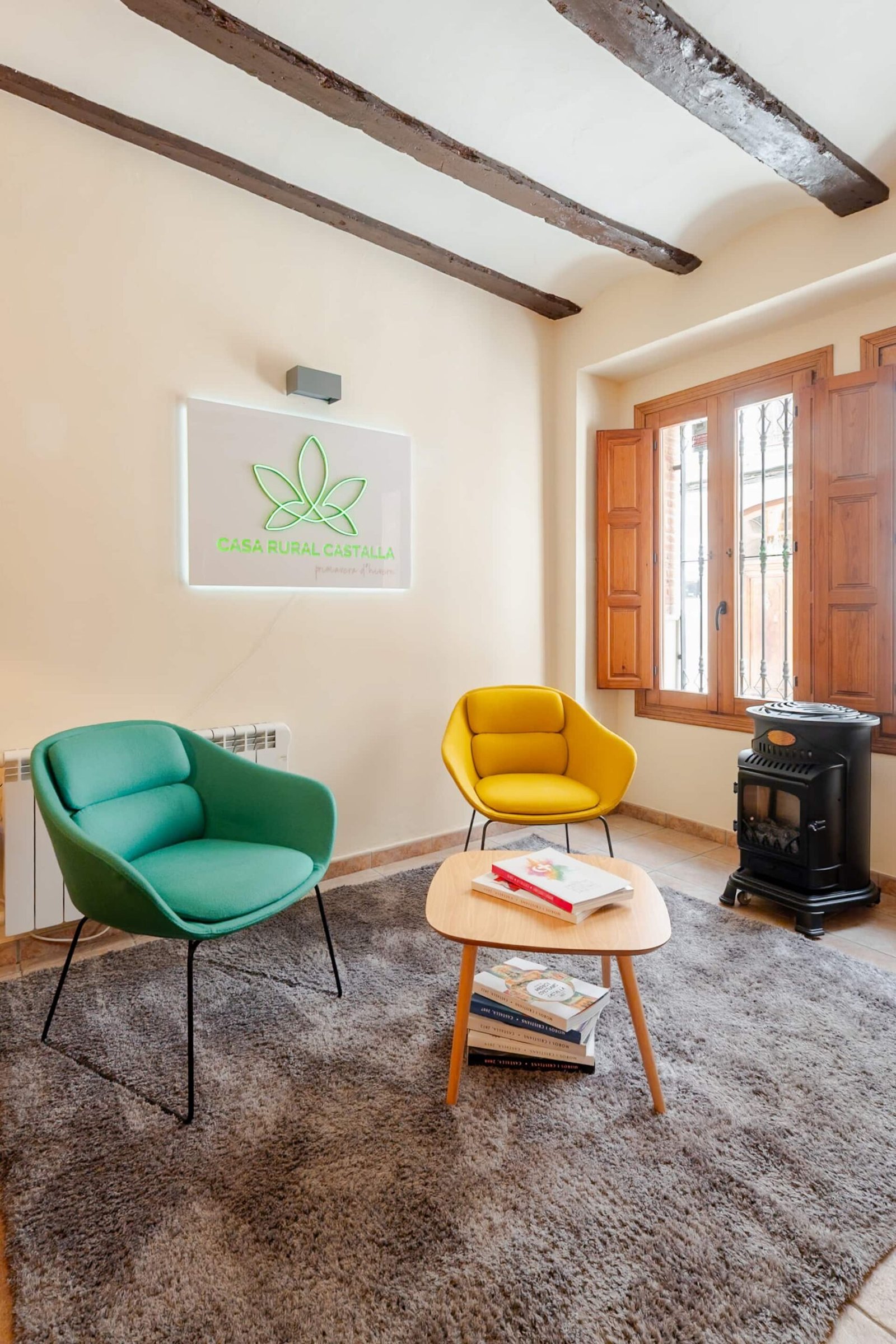
La Tardor lounge at Casa Rural Castalla, with its colourful armchairs, wood-burning stove and the house sign

Want to see inside the house before you book? Every corner of it is here: our photo gallery.

And if the Moros y Cristianos appeal more

Les Festes de Vaca share Castalla’s festival calendar with the town’s other great celebration, the Moros y Cristianos, the Moors and Christians parades. If you are torn between the two, or would like to plan for both, ask us and we will tell you what is on while you are here.

Ready to experience inland Alicante?

Book your stay at Casa Rural Castalla and take your time discovering places like Plascaves, Castalla Castle and the Sierra del Maigmó. Your inland Alicante getaway starts here.
Plascaves (Pla de les Caves): Living History in Inland Castalla

To talk about Plascaves — also written Pla de les Caves, the Valencian form of the very same name — is to talk about one of those quiet gems of inland Alicante that take you by surprise the moment you step off the well-trodden routes. Inside the municipality of Castalla, about 35 minutes from the Costa Blanca beaches, this spot brings together landscape, farming memory and traditional architecture, which makes it the perfect place to understand how people have lived and worked on this land for generations.


A landscape shaped by time

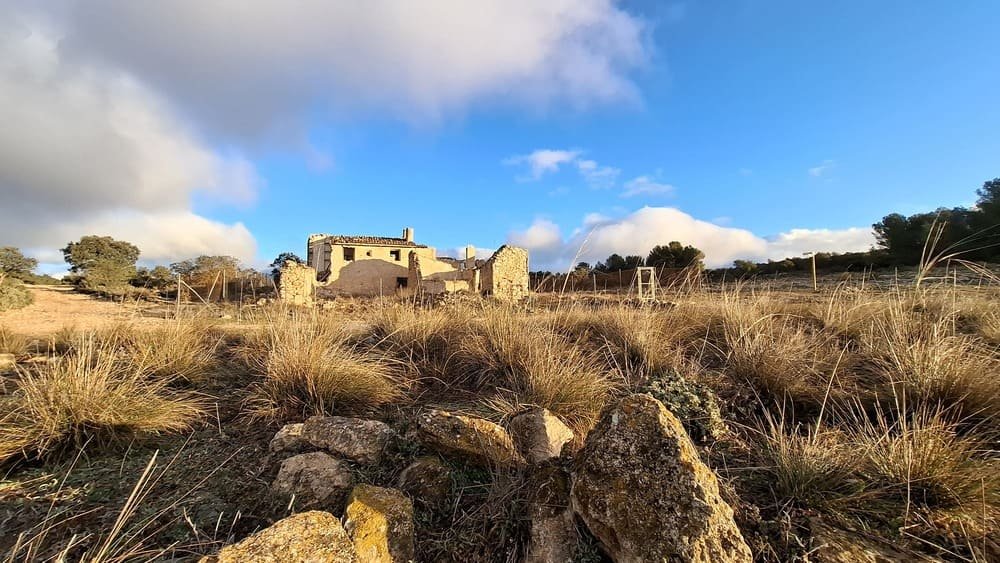
The Pla de les Caves spreads across a flat stretch of ground ringed by hills, where the horizon opens up and the pace slows down. Here, the relationship between people and the land has left its mark:

  • Old farm buildings
  • Small structures built for storage
  • Plots that still show the pattern of traditional rain-fed farming

The name “les Caves” refers to storage spaces and small cavities historically tied to farming and to keeping produce through the year. Now absorbed into the landscape, these structures are a reminder of an economy built on hard graft, self-sufficiency and making the most of whatever the land provided.

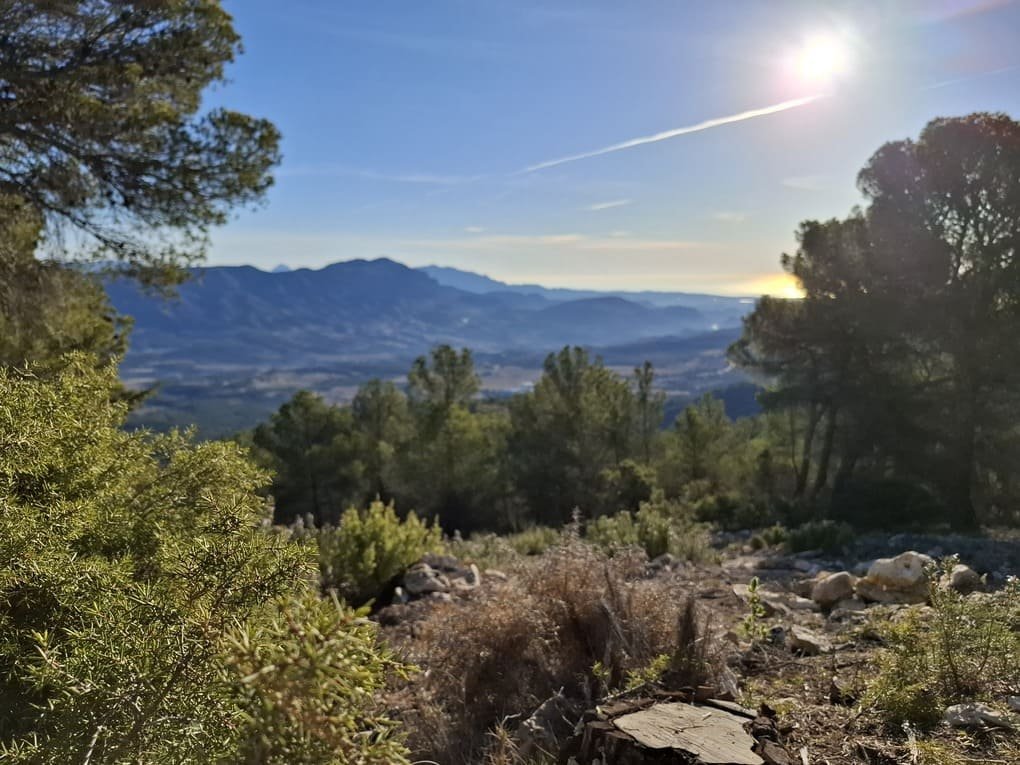
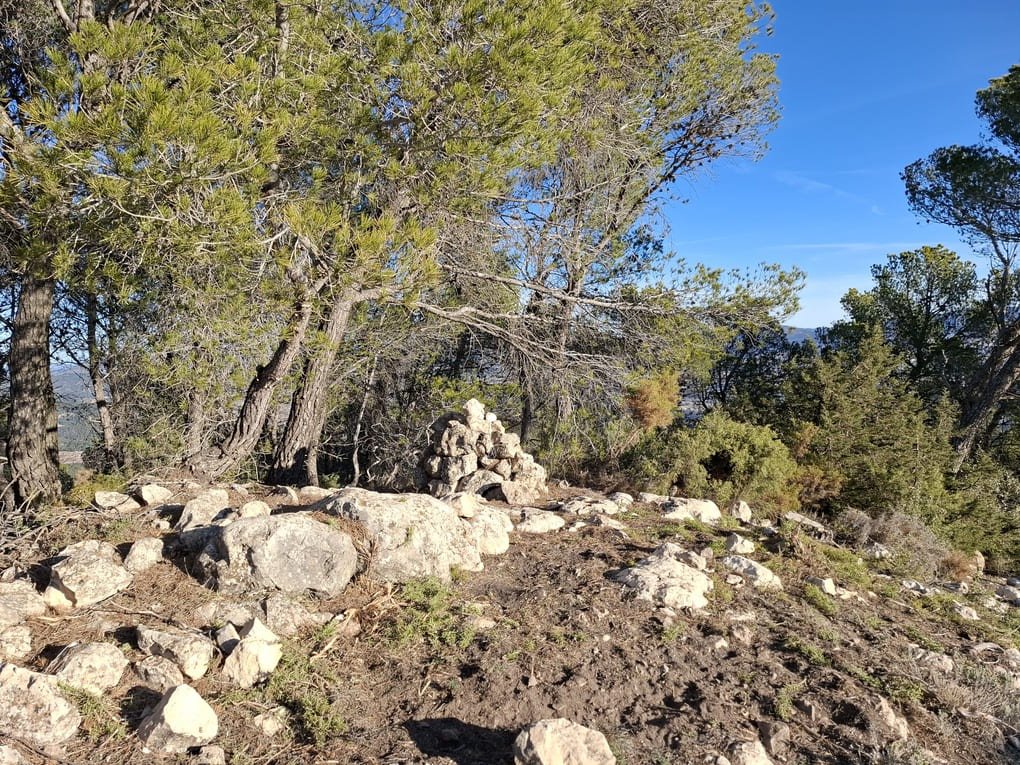
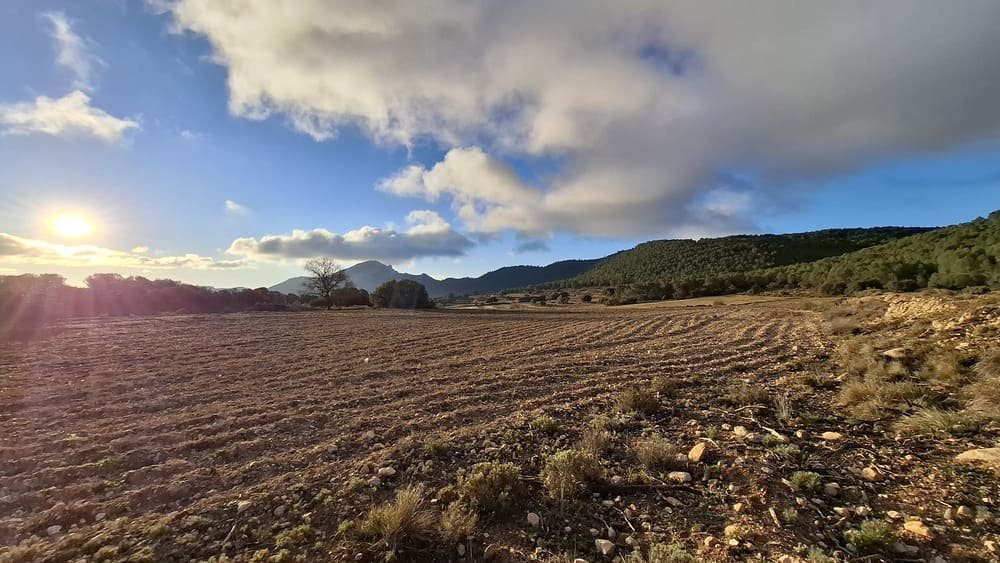
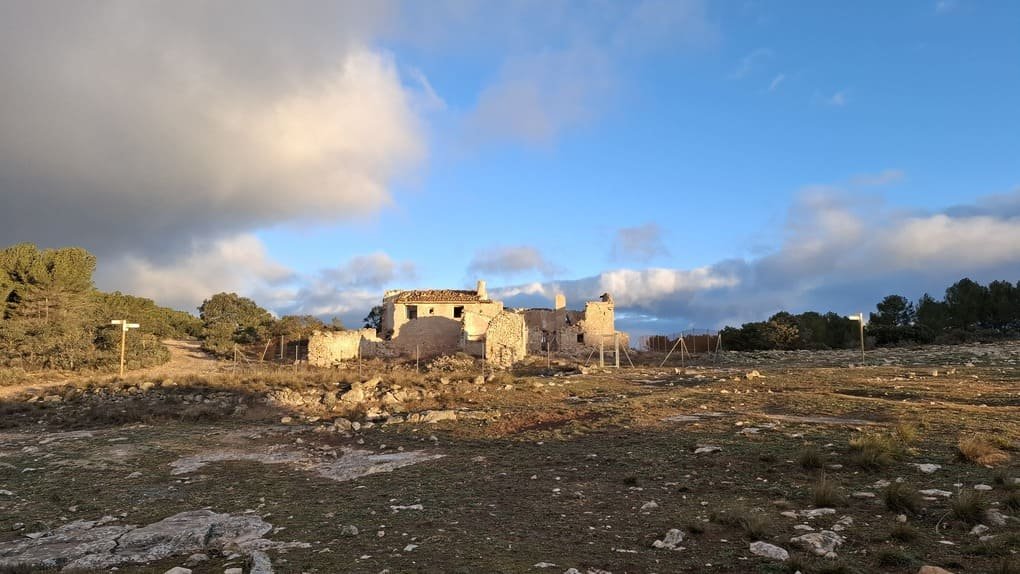
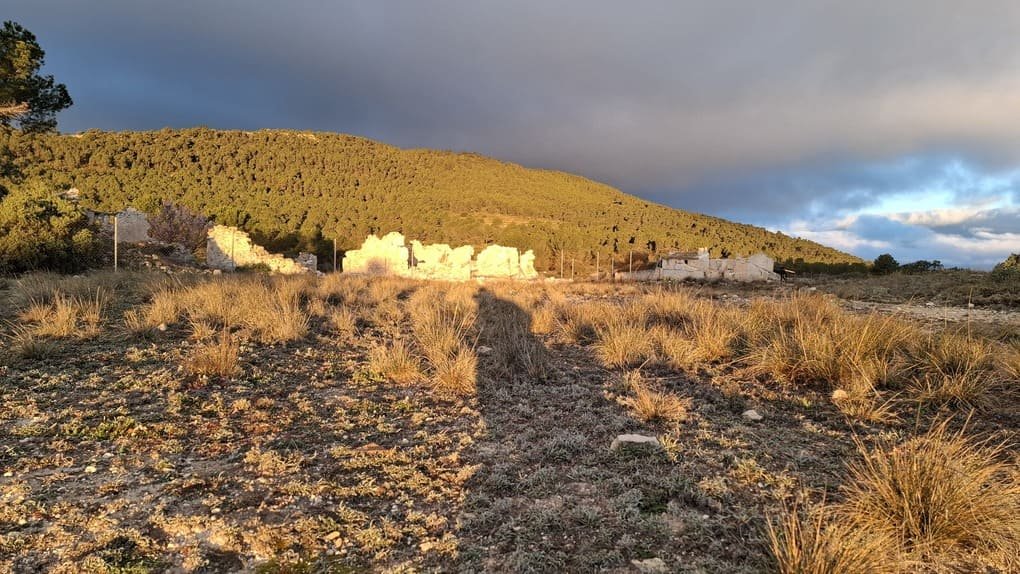
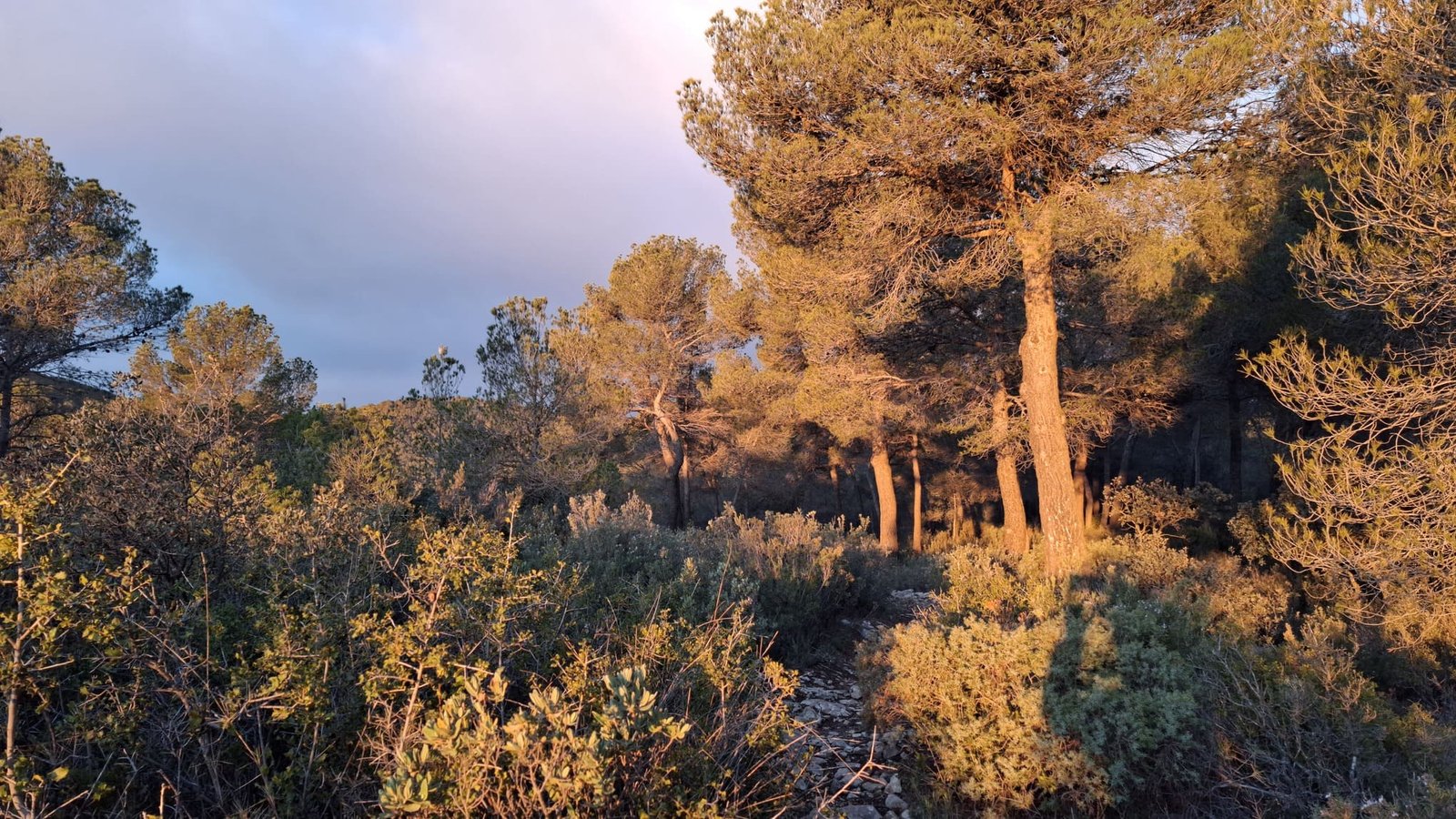
Landscape at Pla de les Caves (Plascaves) in Castalla, inland Alicante

Farming, tradition and rural life

For centuries this area was a place of work for families growing cereals, almonds, olives and vines. Inland Alicante has depended historically on secano farming — unirrigated land, watered only by the rain — adapted to the Mediterranean climate and to the rhythm of the seasons.

Walking through Plascaves is a way of understanding:

  • How the fields were laid out
  • How tools and harvests were stored
  • How vernacular architecture answered to function and to its setting

Places like this were never designed for tourism; they were designed for real life. Perhaps that is exactly where their authenticity lies.


The Pla de les Caves today

Today Plascaves keeps the quiet, rural character that defines the inland side of Castalla. It is not crowded and it has not been over-restored. It is, precisely, somewhere to:

  • Walk without rushing
  • Enjoy the silence
  • Reconnect with nature
  • Discover short routes on foot or by bike

Other natural spots lie very close by, such as Xorret de Catí or the Sierra del Maigmó, which round out a break of gentle activity and local culture in the area.

What makes Plascaves valuable today has nothing to do with big infrastructure and everything to do with how well it has kept the essence of the place.

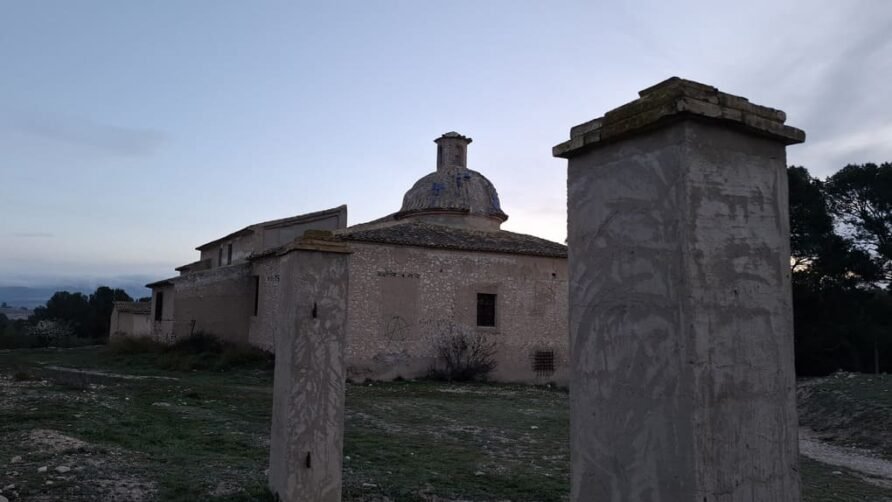
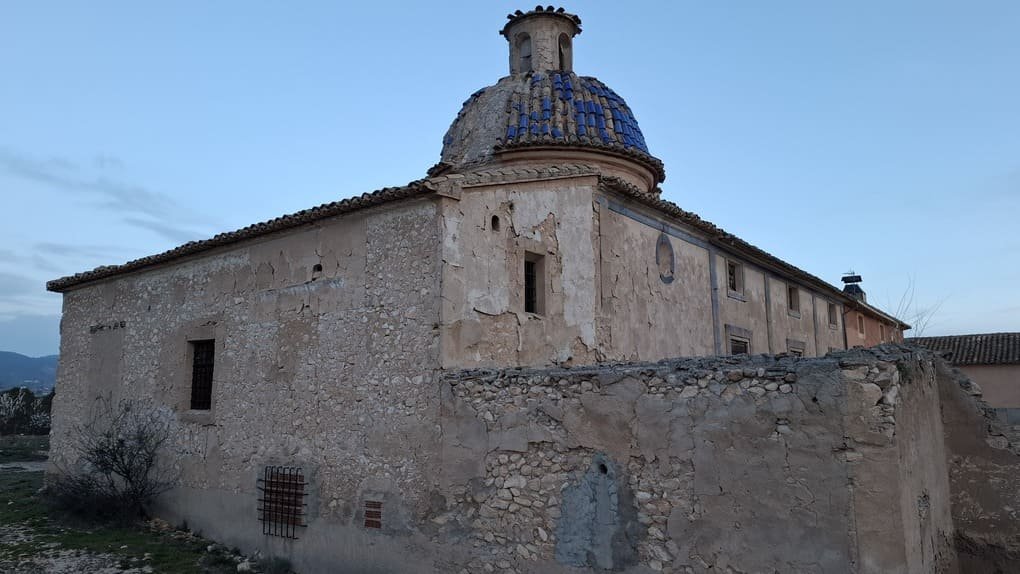
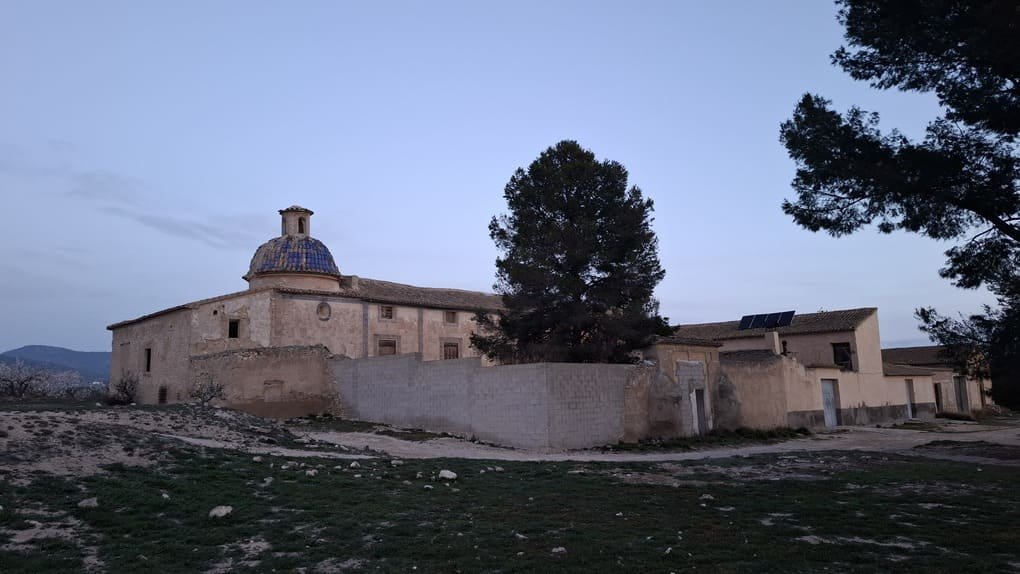
Small chapel with a blue-tiled dome beside a ruined farmhouse at Pla de les Caves, Castalla

Inland travel: discovering what is not always on show

At a time when more and more travellers are after something genuine, inland Alicante offers a different proposition: landscape, history and calm.

Visiting places like Plascaves lets you:

  • Understand traditional farming culture
  • Explore the natural heritage of Castalla
  • Discover the local food after a day outdoors
  • See the old town with fresh eyes

This is slow, thoughtful travel, lived close up.

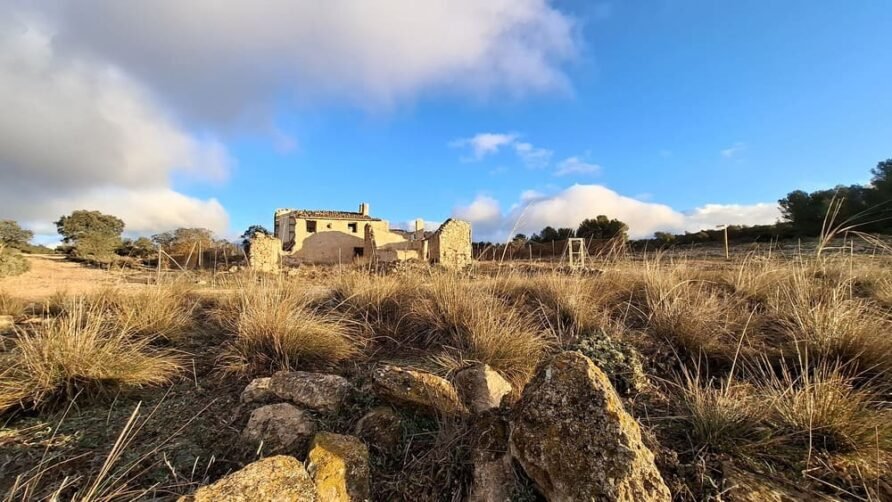
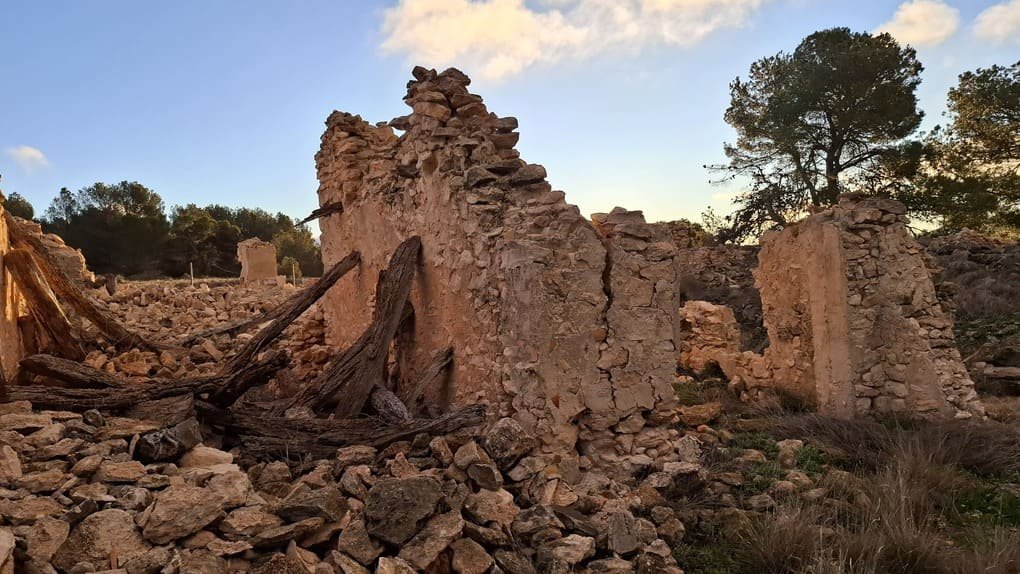
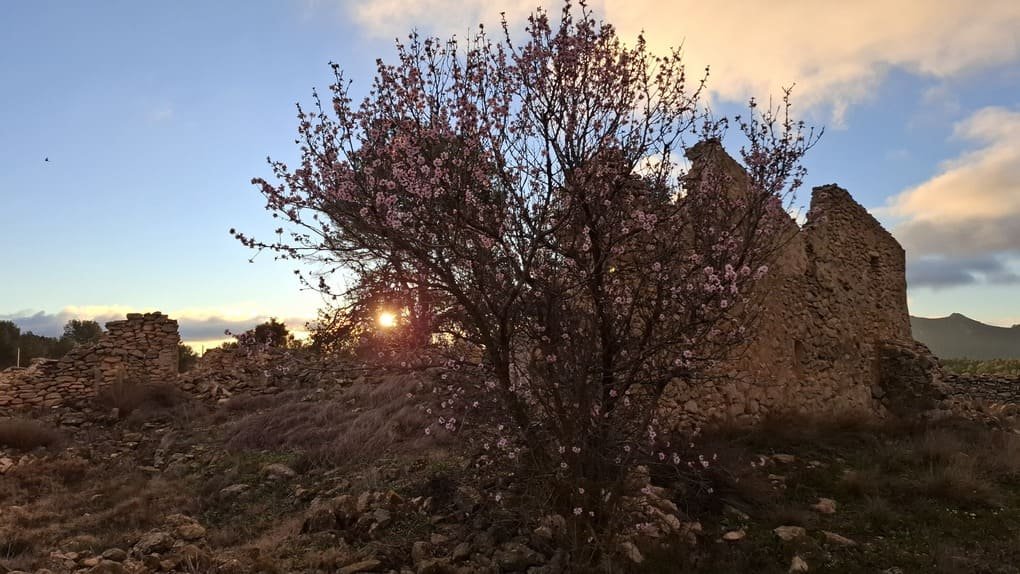
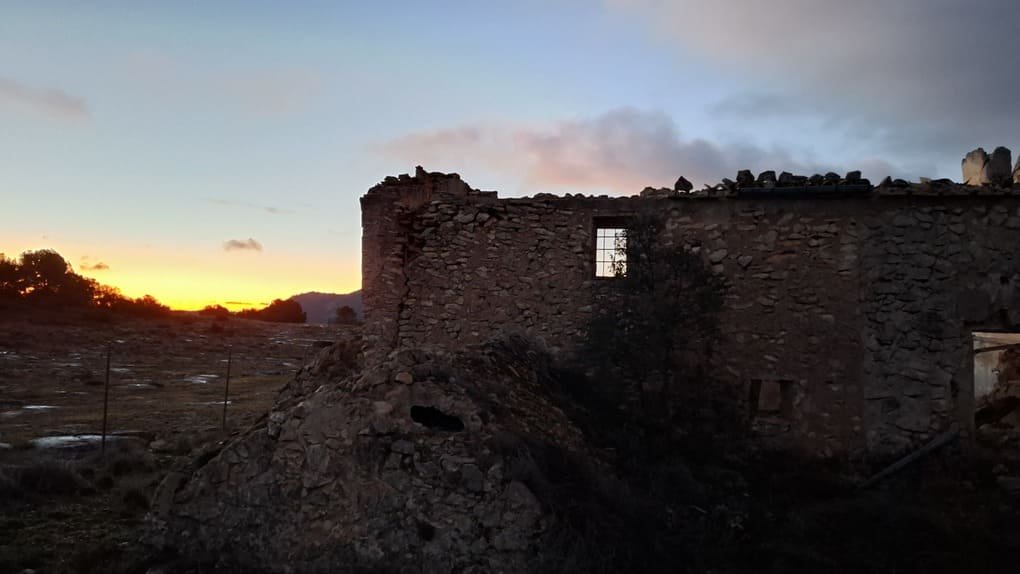
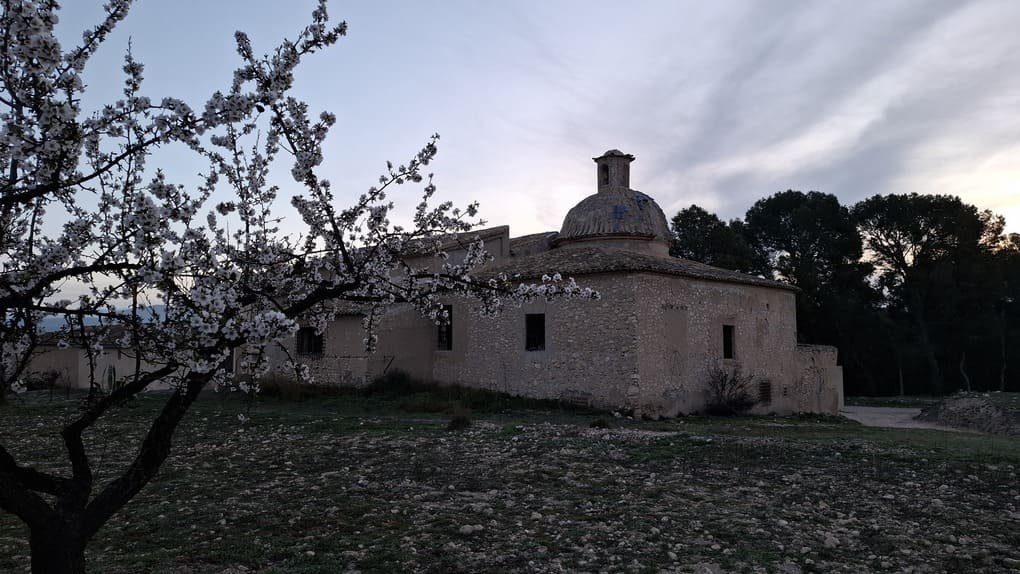
Ruined stone farmhouse among almond trees at Pla de les Caves, inland Alicante

A different kind of break in Castalla

After walking the Pla de les Caves and letting the calm of the place sink in, there is nothing better than carrying on in the heart of the old town.

Castalla brings together nature, heritage and tradition. Walking up to the castle, enjoying the local cooking or simply switching off from the daily grind are all part of a break that goes well beyond somewhere to sleep.

For anyone who wants to sink into inland life with comfort and authenticity, having somewhere welcoming and well placed to stay makes all the difference. A weekend in Castalla can turn into a chance to rediscover the quiet, the landscape and the history that still beat in places like Plascaves. That is where we come in: Casa Rural Castalla. Get in touch and we will help you put together a route around the area.


Inland Alicante keeps secrets that only reveal themselves to those who explore without rushing. The Pla de les Caves is one of them. And Castalla is the ideal place to start.

❓ Frequently asked questions about the Pla de les Caves (Plascaves)

The Pla de les Caves, also known as Plascaves, lies within the municipality of Castalla, in the province of Alicante. It is a rural area inland from the Costa Blanca, surrounded by traditional farmland and very close to walking routes and natural areas such as Xorret de Catí and the Sierra del Maigmó.

The name refers to old buildings and storage spaces linked to farming. “Caves” points to the cavities and structures once used to keep produce or field tools, and it reflects the rural tradition of the area.

Plascaves is ideal for gentle walks, cycling and easy hiking. It is a perfect spot for enjoying the silence and the countryside, and for understanding what traditional farming life in inland Alicante was like.

Yes. Castalla is a perfect destination for an inland break. It combines countryside, historic heritage such as Castalla Castle, local food and outdoor routes. It is ideal for switching off without straying far from the coast.

As well as Plascaves, you can visit Castalla Castle and the old town, head out to Xorret de Catí and the Sierra del Maigmó, and enjoy the mountain-biking and walking routes across the Foia de Castalla, the wide basin the town sits in.

Inland you get quiet, authenticity and direct contact with nature. It is perfect for anyone after a slower, less crowded kind of travel with a stronger cultural and scenic connection.

Spring and autumn are especially pleasant, with mild temperatures and the landscape at its best. That said, the inland Alicante climate means you can enjoy the area for most of the year.

🧠 Quick guide to the Pla de les Caves (Plascaves) – Castalla


What is the Pla de les Caves in Castalla?

The Pla de les Caves, also called Plascaves, is a rural area within the municipality of Castalla (Alicante). It is a place historically tied to traditional secano farming — rain-fed, unirrigated land — where you can still see old buildings connected with storage and agricultural work.

These days it is a quiet spot, ideal for a walk and for getting to know the rural history of inland Alicante.


Why is Plascaves worth visiting?

Because it lets you discover a lesser-known side of Castalla:

  • A traditional farmed landscape
  • Countryside without the crowds
  • Local history rooted in working the land
  • Perfect ground for walks and gentle routes

It is a perfect place for anyone looking for genuine, unhurried travel in inland Alicante.


What kind of trip suits this area best?

Plascaves belongs to inland travel, and it suits:

  • Weekend breaks
  • Walking and nature
  • Cultural and rural travel
  • Travellers looking to switch off
  • Anyone who loves Mediterranean landscapes

It is not a destination of grand infrastructure, but of simple, real experiences.


How long do you need to see it?

It slots easily into a half-day route alongside:

  • Castalla Castle
  • A stroll through the old town
  • Walking routes at Xorret de Catí
  • Traditional local cooking

It works well as part of a full break into the inland side of the province.


Is inland Alicante worth visiting?

Yes. Inland you get:

  • Fewer crowds
  • Mountain scenery
  • A pleasant climate for most of the year
  • Genuine culture and traditions
  • Close to the coast without being on it

Castalla is one of the best places to start exploring this part of the province.


Where should you stay to explore Plascaves and Castalla?

To make the most of the surroundings, the ideal thing is to stay in the old town of Castalla, from where both the cultural heritage and the countryside routes are easy to reach.

A two- or three-day break gives you time to see Plascaves properly, walk up to the castle, try the local cooking and enjoy the quiet of the interior.

Carrer Major 33 Castalla, Alicante 03420
Monday, Tuesday, Wednesday, Thursday, Friday, Saturday, Sunday00:00 – 23:59
+34 601 994 695

Ready to experience inland Alicante?

Book your stay at Casa Rural Castalla and take your time discovering places like Plascaves, Castalla Castle and the Sierra del Maigmó. Your inland Alicante getaway starts here.
Castalla Castle: History, Legend and the Vinalopó Castle Route

Audio version of this article (podcast in Spanish).

A journey into the heart of Alicante’s heritage

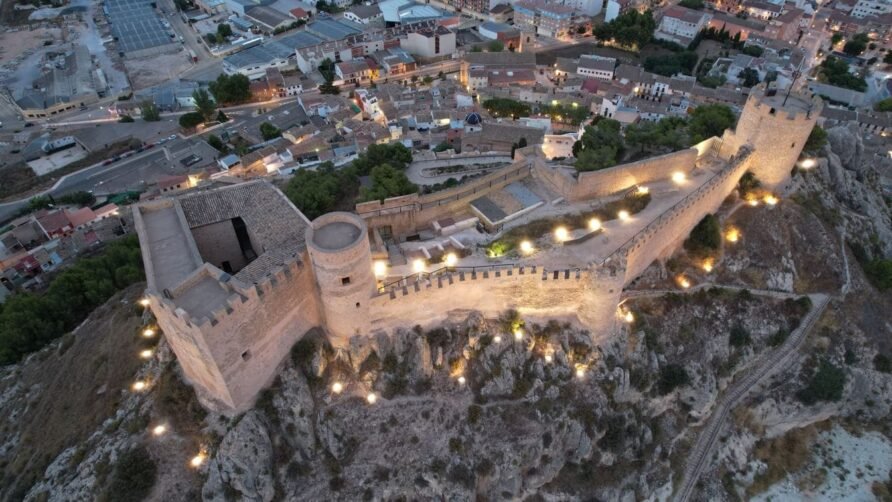
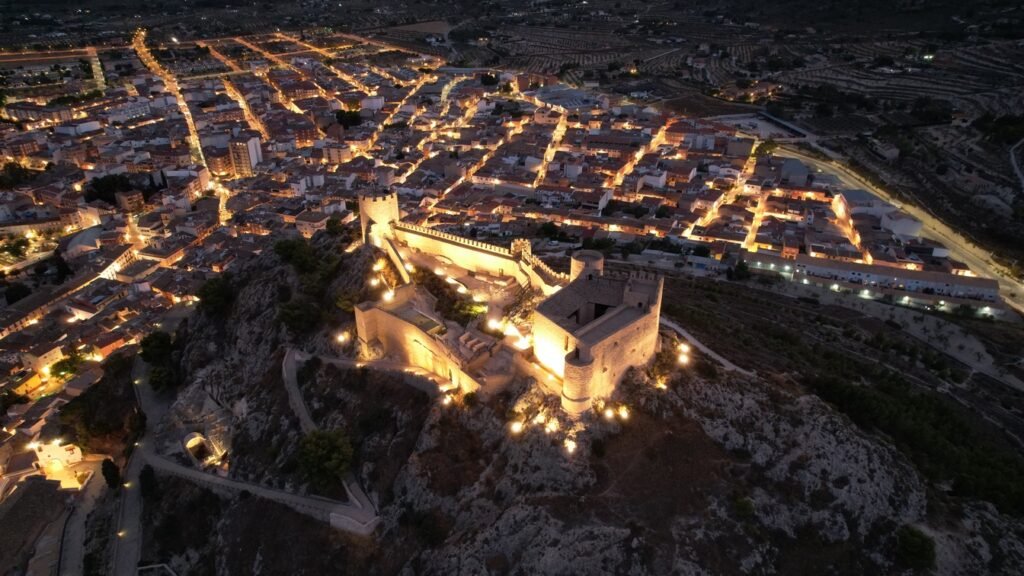
Standing high above the Foia de Castalla — the wide inland basin the town sits in — and visible for miles around, Castalla Castle is far more than a shape on the skyline: it is a living piece of history, witness to battles, legends and rebuilding. Listed as a Bien de Interés Cultural (Spain’s highest level of heritage protection), the site sums up a thousand years of history and is one of the best places to begin exploring the Vinalopó Castle Route (Rutas de los Castillos del Vinalopó), a cultural trail through inland Alicante that has no real equivalent anywhere on the Costa Blanca.

A strategic site since prehistoric times

From the Neolithic to the Almohad period, by way of Iberians and Romans, the hill the castle sits on has seen culture after culture pass through. The fortress as we know it began to take shape in the 11th century, under Muslim rule. Its peaceful surrender to Jaime I (James I of Aragon) and its Gothic remodelling during the Middle Ages then turned it into a lordly residence and a key military stronghold for centuries.

Three spaces, one fortress: architecture with a soul

The castle divides into three clearly defined spaces:

  • El Palau (the palace): a 14th–15th-century noble residence with round towers and an inner courtyard.
  • El Patio de Armas (the parade ground): an Islamic albacar, a walled outer enclosure that once held defensive and domestic buildings.
  • La Torre Grossa (the great tower): a monumental 16th-century keep, a symbol of resistance against raids from the Mediterranean.

Thanks to an exemplary restoration completed in 2006, it is today one of the best-preserved castles in the province of Alicante, with interpreted spaces and information panels throughout.

A stage for battles and legends

The castle did not only live through the Reconquista: it was also the setting for two battles during the Peninsular War (known in Spain as the Guerra de la Independencia), in 1812 and 1813. Its history is woven through with local legends, too — the hidden treasure, the Moors’ school in the cistern, and the long-vanished statue of Christ that once crowned the Torre Grossa.

Castalla Castle, starting point of the Vinalopo Castle Route in inland Alicante

The main gateway to the Vinalopó Castle Route

Castalla Castle is part of the celebrated Vinalopó Castle Route, which links fortresses all the way from Banyeres to Santa Pola. Its central position makes it the ideal place to start the trail. From here you can go on to sister fortresses in Biar, Villena or Sax, working your way through centuries of defensive architecture without ever driving far.

Visit it, and turn your break into something you will remember

Staying at Casa Rural Castalla: the ideal base

Would you like to turn a castle visit into a proper few days away? Casa Rural Castalla, right in the old town and only a few minutes’ walk from the castle, is the perfect place to rest afterwards. From here you can carry on along the Vinalopó Castle Route without any long drives, or swap the history for the hills on one of the walking routes around Castalla. Live the history from the inside, in a house with character, genuine hospitality and open countryside on the doorstep.

Ready to experience inland Alicante?

Book your stay at Casa Rural Castalla and take your time discovering places like Plascaves, Castalla Castle and the Sierra del Maigmó. Your inland Alicante getaway starts here.
Cova de Mossén Francés: History, Nature and Legend in the Sierra del Maigmó

Audio version of this article (podcast in Spanish).

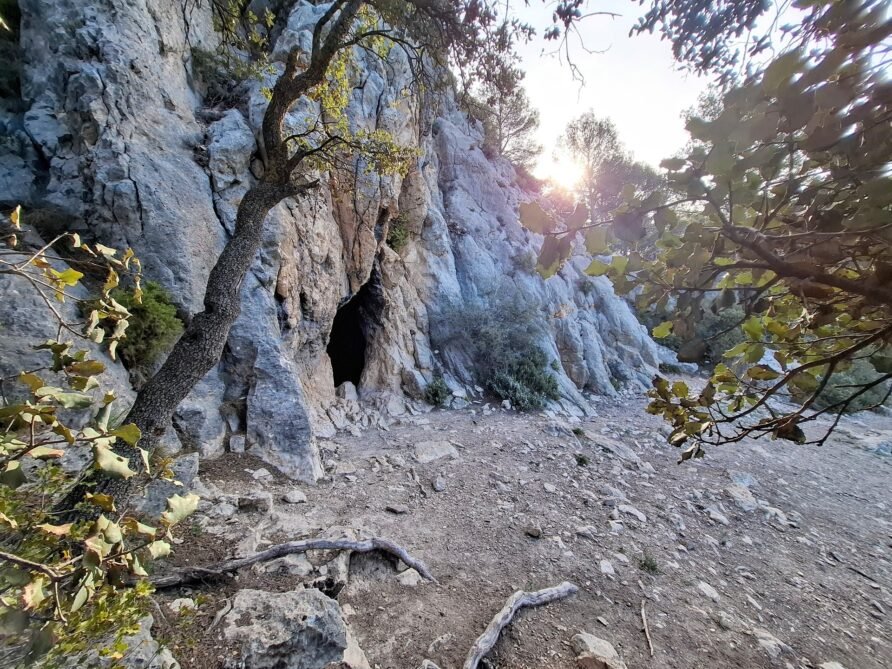
The Cova de Mossén Francés, on the flank of the Sierra del Maigmó — one of the limestone ranges of inland Alicante, about half an hour from the Costa Blanca — is one of those places where nature, history and legend twist together almost magically. Set at more than 1,100 metres above sea level, close to the beauty spot of Xorret de Catí, this natural cave is not only a first-rate piece of landscape but also a story that runs through centuries of local uses, beliefs and traditions.

If you want to leave the noise of the coast behind and get to the heart of inland Alicante, this is an outing that brings together walking, history and nature. And if you are looking for a welcoming, genuine base for it, Casa Rural Castalla is the obvious choice: from the house the cave is a short drive away and then a walk that wakes up every one of your senses.


A cave with a name of its own (and an explosive priest) 🕳️💥📖

The name catches your attention straight away. “Mossén” is an old Valencian honorific for a priest, roughly the equivalent of “Father”, and “Francés” could be either a surname or a nickname. Legend has it that this clergyman, a keen hunter with ferrets, ended up using dynamite to get one of his animals out from underground. The result was startling: not only did he recover his ferret, he opened up the mouth of an impressive limestone cave. That is how the Cova de Mossén Francés was born, in a story that mixes humour, sheer chance and a touch of ecclesiastical irreverence.

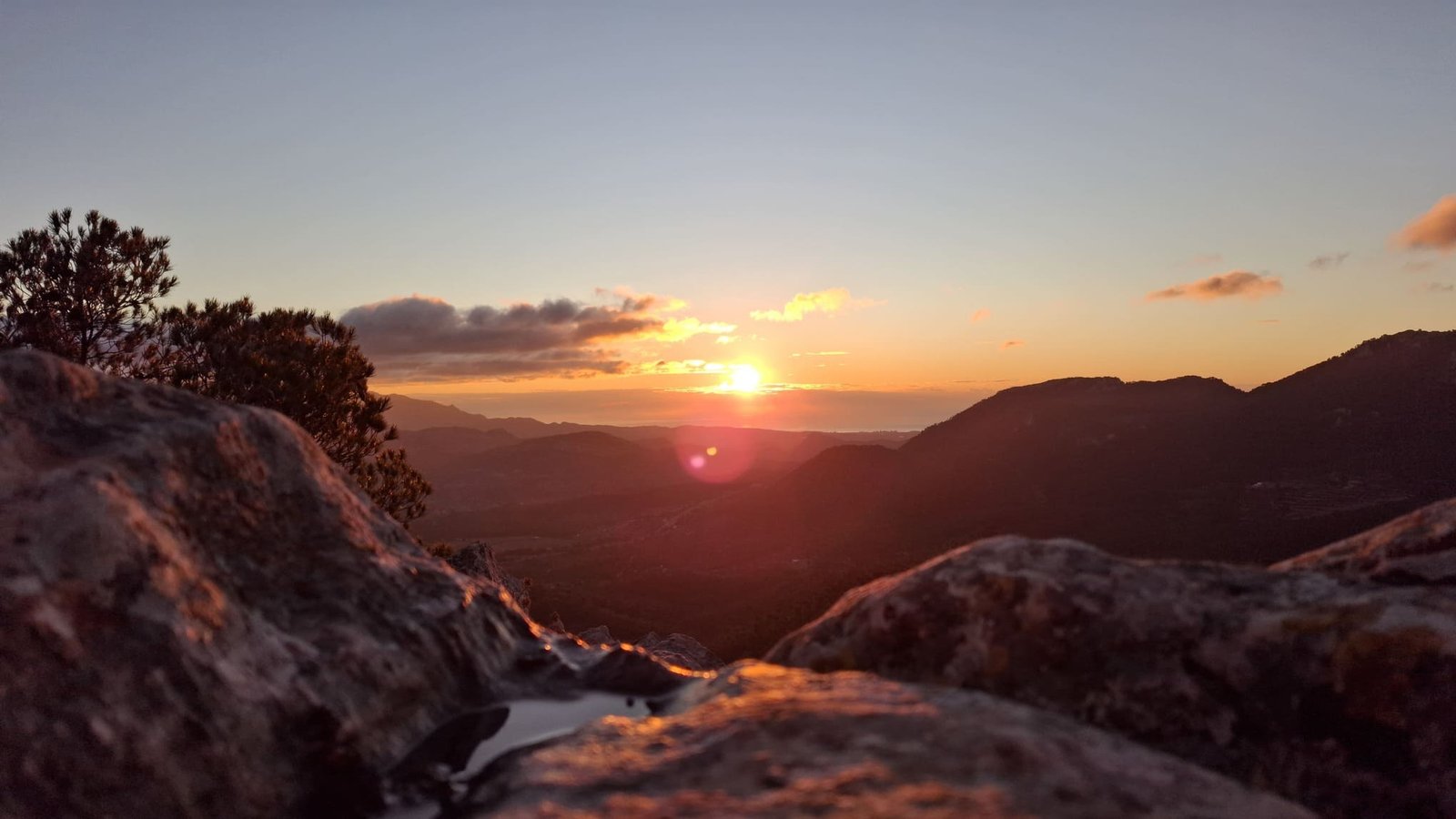
Panoramic view from the balcony of the Cova de Mossén Francés over the mountains and valleys of the Sierra del Maigmó.

Landscape and setting: a natural balcony 🏞️🌄🔦

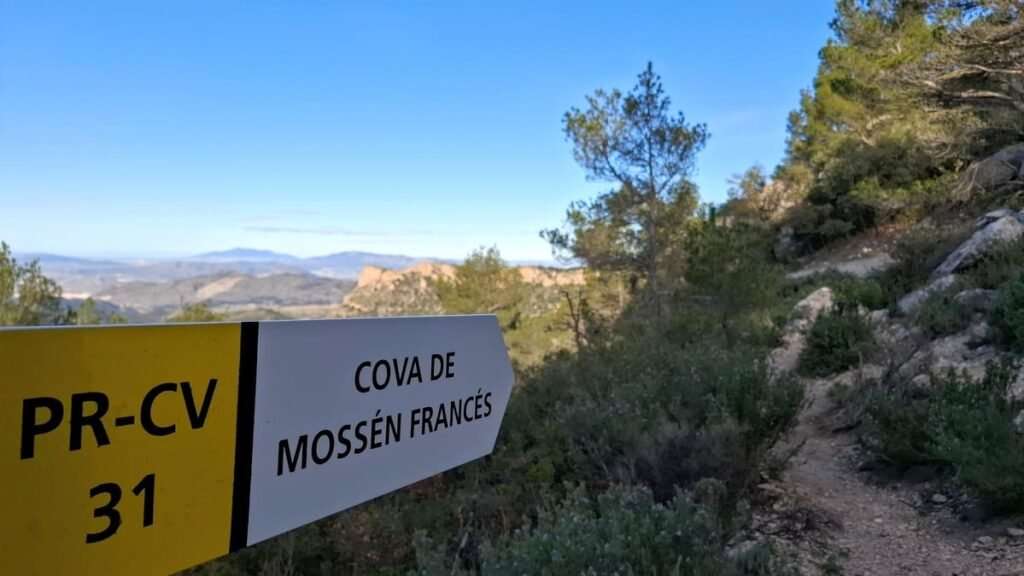
The cave sits at around 1,160 metres, with spectacular views over the Catí valley, the Foia de Castalla — the wide upland basin that Castalla sits in — and the nearby Sierra del Cid. You reach it on the PR-CV 31, a circular waymarked path of about 8 kilometres that starts from the recreation area at Xorret de Catí. In Spain a PR is a short waymarked walking route, signed with white and yellow flashes. The cave is easy to reach for walkers of basic fitness and needs no technical kit: its horizontal gallery, some 30 metres long, can be explored on foot, although a torch is strongly recommended if you want to go in safely.

Past the entrance, part of which was cut artificially with old explosives, the cave opens into a space with a level floor and high ceilings — clear evidence of long human use over time.


History written into the rock of the Cova de Mossén Francés 🕯️📜🧱

Beyond the legend of the hunting priest, there are records of the Cova de Mossén Francés being used by shepherds, who adapted it to shelter alongside their flocks. The levelled floor and the remains of old fires tell of its role as a refuge from the cold and from storms.

There are even signs of occupation in the Andalusi period, when this was Muslim Spain, and the cave may have sheltered bandits and, later, the maquis — the anti-Franco guerrillas who took to the mountains after the Civil War — during the nineteenth century and the years after the Civil War. That mix of uses makes the Cova a genuine stone archive of the rural and social history of the district.


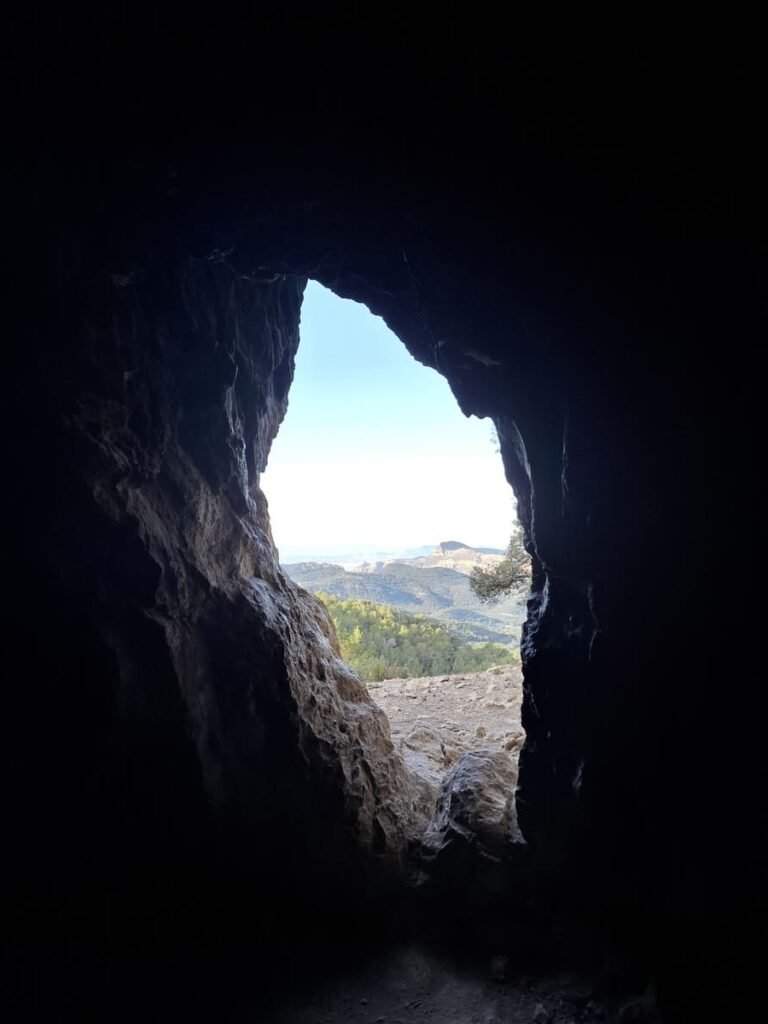
Mysterious interior of the Cova de Mossén Francés, with light and shadow picking out the rock formations.

Plants and wildlife: Mediterranean biodiversity 🌿🦉🌞

The country around the cave is a living example of well-preserved Mediterranean woodland. Aleppo pines, holm oaks, thyme, rosemary and rockrose share a patchwork of vegetation that shifts with the seasons. In spring the air fills with the scent of flowers; in autumn ochre tones spread across the landscape.

The wildlife includes Barbary sheep, wild boar, genet and fox, and birds such as the eagle owl, the peregrine falcon and Montagu’s harrier. A paradise for birdwatchers and wildlife photographers.


Walking with history 🥾🗺️🏔️

The PR-CV 31 does not only take you to the Cova de Mossén Francés: it also gives you viewpoints, places to stop and the chance to link up with other landmarks such as the Pou de Neu de Planisses, an old snow well where ice was packed and stored through the summer long before refrigeration. Xorret de Catí is also a regular feature on stages of the Vuelta a España, which adds something extra for cyclists and cycling fans. 🚵‍♂️🏁📍

From Casa Rural Castalla, getting to Xorret de Catí is quick and easy. We help you plan your route for the morning, pack a picnic and come back to the house to relax in the sitting room, play a board game or cook dinner with local produce. 🍽️🛋️🍷


Tips for your visit 🧢🧭🧴

  • Best time of year: spring and autumn, for the mild weather and the colours of the landscape.
  • What to take: walking boots, water, a torch and a warm layer, even in summer.
  • Take care: there is a sheer drop from the viewpoint outside the cave — keep well back from the edge, especially with children.
  • Respect the place: take your litter home, leave the plants alone and do not disturb the animals.

More than a day out: a complete experience ✨🧳🎒

Visiting the Cova de Mossén Francés is much more than walking a waymarked path: it puts you in touch with history, with the traditions of the Alicante mountains and with landscapes that have been silent witnesses to rural life for centuries.

Casa Rural Castalla, right in the historic heart of the town, is the ideal place to stay alongside an outing like this. Its warm atmosphere, its closeness to the walking routes and its commitment to sustainability make it the perfect base from which to explore the Maigmó. 🏡💫🌄


So why not go and find this treasure in the mountains? The Cova de Mossén Francés is waiting, with its explosive history, its picture-postcard views and a legend that still echoes among the rocks. 🧨📷🔍

Get in touch about your stay at Casa Rural Castalla and get ready for an adventure you will always remember. 💼🌿🌟

Ready to experience inland Alicante?

Book your stay at Casa Rural Castalla and take your time discovering places like Plascaves, Castalla Castle and the Sierra del Maigmó. Your inland Alicante getaway starts here.
Barranc del Pla de les Coves: A Ravine Walk in Inland Alicante

If you love the outdoors and a good day’s walking, there is a corner of inland Alicante you should not miss: the Barranc del Pla de les Coves. Barranc is the Valencian word for a ravine, a steep-sided gorge cut into the limestone, and this one lies between the towns of Tibi and Castalla, about half an hour inland from Alicante and its airport. It belongs to the dramatic relief of l’Alcoià, the mountainous district that rises behind the Costa Blanca, and it is ringed by imposing sierras: l’Arguenya, Castalla and the Maigmó. Beyond its natural beauty, the ravine offers a rare link with the farming history and traditions of the area.

Barranc del Pla de les Coves ravine between Tibi and Castalla

A walk through the history and geography of the area

The Barranc del Pla de les Coves is a striking landform that has become a landmark for walkers and anyone with a taste for adventure. Around it stand historic masies — the traditional stone farmsteads of inland Valencia — among them Casas de Planisses, Mas del Pla de les Caves de Baix and Mas del Pla de les Caves de Dalt, silent witnesses to the farming and livestock traditions of the region. These old buildings still reflect the rural way of life that has carried on for generations in this corner of the Valencian Community.

The mix of flat ground and mountain here makes perfect walking country, with paths that take you into the purest Mediterranean landscape. The route offers scenery of real ecological value, with native plants and wildlife that add to the experience.

Walking route through the Barranc del Pla de les Coves

The walk: from the Barranc del Pla de les Coves to Xorret de Catí

For anyone after an outing that is manageable but full of beauty, we suggest a route of 9.69 km with 201 metres of ascent, graded easy in technical difficulty. It starts at Xorret de Catí, a mountain beauty spot and recreation area in the Castalla hills, and follows the Barranc del Pla de les Coves, with panoramic views you will not forget.

Alt del Barranc del Pla de les Coves – at 1,088 metres above sea level, this is a spectacular natural viewpoint, and from it you can pick out:

  • Tibi and its reservoir, one of the oldest still in use anywhere in Europe.
  • Ibi, the birthplace of the Spanish toy industry.
  • And, on a clear day, the Mediterranean on the horizon.

Ringed by historic farmsteads and by mountain scenery you will find nowhere else, this is ideal country for anyone who loves nature, walking and photography.

As you walk, you take in the contrast between the valleys and the sierras, with clean air and complete quiet. The route ends at Xorret de Catí, a spectacular spot with picnic areas and viewpoints that show off the scale of the Alicante mountains. As well as being a landmark for walkers and mountain bikers, it is a lovely place for a picnic in the open air, or simply to sit and do nothing somewhere special.

Viewpoint over the Barranc del Pla de les Coves at Xorret de Catí

Make a weekend of it with Casa Rural Castalla

Exploring the Barranc del Pla de les Coves is only the beginning of a perfect break in the open air. At Casa Rural Castalla we help you plan your route so that you get the most out of every corner of this remarkable landscape. Our house, in the old heart of Castalla, is the ideal base for discovering the scenery, the culture and the food of the area.

Make your stay a mix of adventure and comfort in a country house with character, where you can rest properly after a day out. We also give personal recommendations and adapt what we offer to what you need, so that your break is one to remember.

Plan your break now

If nature, walking and history are your thing, the Barranc del Pla de les Coves and Xorret de Catí are waiting for you. Do not miss the chance to see this side of inland Alicante for yourself. Get in touch and let us at Casa Rural Castalla plan the perfect day out for you.

Get in touch and get ready to explore the real heart of the Alicante mountains.

Ready to experience inland Alicante?

Book your stay at Casa Rural Castalla and take your time discovering places like Plascaves, Castalla Castle and the Sierra del Maigmó. Your inland Alicante getaway starts here.
Casas de Planisses, Castalla: Rural Heritage at Xorret de Catí

Set in a beautiful stretch of countryside, the Casas de Planisses — the farmhouses of Planisses, an area of upland farmland in the Castalla hills — are a little-known piece of architectural heritage with real historical and cultural value. They stand in the area of Xorret de Catí, within the municipality of Castalla (Alicante), in the inland hills behind the Costa Blanca, and they show a perfect fit between people and the land around them. Built with traditional materials such as stone, adobe and lime mortar, these houses stand out as much for their beauty as for how well they work, and they have become a symbol of the region’s vernacular architecture.

History and origins of the Casas de Planisses in Castalla

The Casas de Planisses date back to the end of the eighteenth century, although they only settled into a recognisable architectural type during the nineteenth. Rural life then depended largely on farming and livestock, so siting these houses on flat or gently rolling ground was essential to make work in the fields easier.

They were designed with a thoroughly practical outlook, but without losing sight of how they sat in the landscape. In that way the Casas de Planisses of Castalla became witnesses to a self-sufficient way of life, in which adapting to your surroundings was the key to getting by.

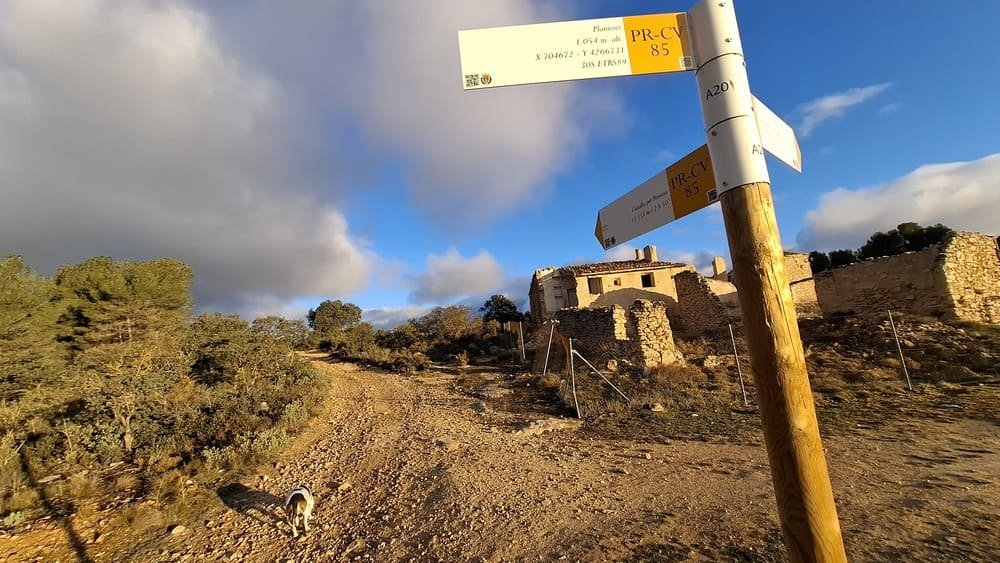
Casas de Planisses at Xorret de Catí

Architectural features: a conversation with the landscape

One of the most striking things about these houses is how comfortably they sit in the countryside around them. Choosing local materials did not only make them last; it also kept the temperature inside under control. Their main features include:

  • Thick walls of stone and adobe: built to stand up to whatever the Mediterranean climate throws at them.
  • A central courtyard: the family meeting point and a working space for everyday chores.
  • Pitched roofs: covered with curved clay tiles that shed rainwater.
  • An efficient layout: rooms arranged to make the most of natural light and ventilation.

At Xorret de Catí, a mountain beauty spot and recreation area in the Castalla hills, these houses stand in a remarkable natural setting, and the landscape has played a key part both in keeping them standing and in the way they are now valued as heritage.

Rural architecture of the Casas de Planisses in Castalla

Why conservation matters

For all their historical importance, many of the Casas de Planisses are at risk of disappearing through neglect and lack of restoration. In recent years initiatives have appeared that aim to preserve this architectural legacy and keep alive the memory of a way of life that is part of the region’s identity.

Restoration projects set out not only to recover the physical fabric of these houses but also to rescue their history and the traditions that go with them. Raising awareness of why these buildings matter is crucial if they are to survive.

Stone walls of the Casas de Planisses at Xorret de Catí

A destination for lovers of history and nature

If you enjoy history, architecture and country breaks, visiting the Casas de Planisses at Xorret de Catí is an experience you will not repeat anywhere else. This corner of the hills lets you admire buildings that are centuries old and, on the same day, walk the paths and enjoy the wildlife of the area.

Visiting them gives you a first-hand sense of how earlier generations lived, a moment to think about the relationship between people and their surroundings, and a good reason to value what is left of rural architectural heritage.

The Planisses landscape in the countryside around Castalla

Plan your weekend in Castalla

If you are after a different sort of break, come and spend a weekend in Castalla, staying at Casa Rural Castalla. We organise guided walks at no extra cost to see the Casas de Planisses, along with other landmarks of the area, always subject to the guide being available. It makes for a stay you will remember, in which history, architecture and landscape come together.

Message us about your stay and get ready to see Castalla in a different way.

In short

The Casas de Planisses are tangible evidence of the history and culture of this region. Their architecture, in tune with the land, and their historical importance make them an essential part of the Xorret de Catí landscape. Protecting them and telling people about them is fundamental if future generations are to go on admiring and learning from these gems of rural architecture.

If you have a soft spot for history and traditional architecture, do go and explore Xorret de Catí and see the charm of the Casas de Planisses in Castalla for yourself. Ask us about your break and spend a weekend full of history, nature and the real thing.

Casas de Planisses at Xorret de Catí
Rural architecture of Planisses in Castalla
Casas de Planisses at Xorret de Catí
The Planisses landscape at Xorret de Catí
Detail of the Casas de Planisses in Castalla
Stone walls of Planisses in inland Alicante
The natural setting of the Casas de Planisses at Xorret de Catí
Vernacular architecture of Planisses in Castalla
Casas de Planisses among the mountains of Castalla
Rural landscape of Planisses at Xorret de Catí
The Casas de Planisses at first light
Casas de Planisses in the Xorret de Catí countryside

Ready to experience inland Alicante?

Book your stay at Casa Rural Castalla and take your time discovering places like Plascaves, Castalla Castle and the Sierra del Maigmó. Your inland Alicante getaway starts here.
Encuentros Gastronómicos de Castalla: the town’s annual food week

Every spring, Castalla becomes the food capital of this corner of inland Alicante with the Encuentros Gastronómicos de Castalla, the town’s gastronomic gatherings: a week-long food festival held in its restaurants. It is an invitation to a week of eating well, where tradition and modern cooking come together in dishes that showcase the best of the local kitchen.

Organised by Castalla Town Council and SEHUNICA, the local hospitality association, the festival is a good excuse to explore the culture and the cooking of the area, with set menus that pair native ingredients with more inventive ideas.

Here is everything you need to know about it, and how to make the trip even easier with a stay at Casa Rural Castalla.

What the Encuentros Gastronómicos are all about

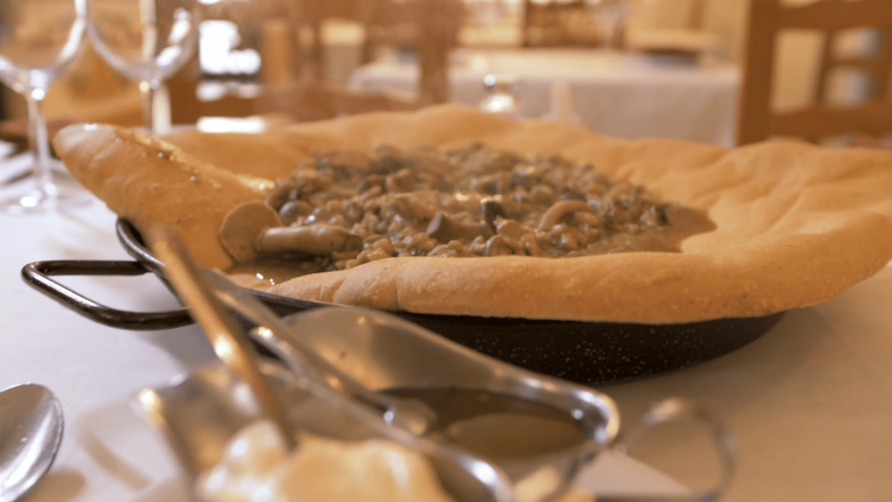
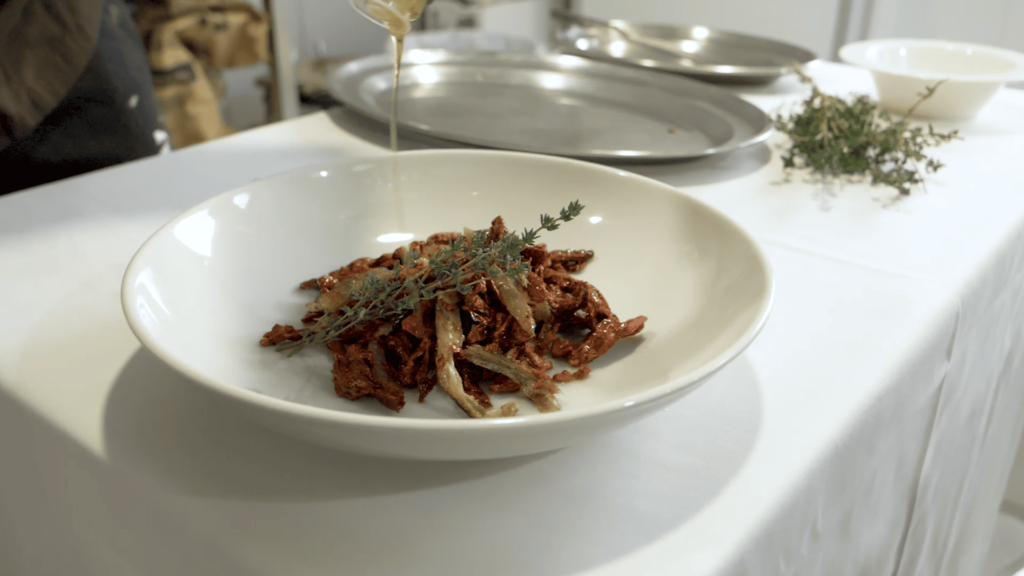
During this food week, the best-known restaurants in Castalla serve menus created specially for the occasion. From the celebrated gazpachos de Castalla — nothing whatsoever to do with the chilled Andalusian soup of the same name, but a substantial stew of rabbit and snails scented with pebrella, a local wild herb, and served on sheets of unleavened flatbread — to traditional rice dishes and pairings with local wines, every plate celebrates the culinary identity of the area.

Six of the town’s restaurants take part, reaffirming their commitment to the traditional and the contemporary cooking of the area alike. Some also work with zero-kilometre produce and recipes handed down through the generations, which is where the character of this food really comes from.

The participating restaurants include:

  • Hotel Don José: made for a long, unhurried evening.
  • Restaurante La Vizcaya: specialists in the classic local recipes.
  • Restaurante Cassana: traditional Mediterranean cooking, with a special menu for the occasion.
  • Casa Paqui: family cooking with decades of history behind it.
  • Restaurante Nou Trinquet: dishes that blend the classic with the inventive.
  • Asador Izaskun: currently open only for private events, weddings and celebrations, with no service to the general public.

The Encuentros are usually held over two consecutive weekends, Thursday to Saturday, which spreads out the crowds and makes life easier for the restaurants taking part.

Each restaurant puts on its own experience, taking the traditional flavours of Castalla and giving them a twist for the occasion. There are also pairings with local wines, and the chance to meet the chefs behind the menus.

The Mayor of Castalla has underlined how much the initiative does for the town and its food culture, inviting locals and visitors alike to discover the best of the local kitchen. The Encuentros Gastronómicos are a chance to taste the range of what is cooked here, and another step in establishing Castalla as a food destination in inland Alicante.

Each restaurant hosts one day of the programme, with menus meant to please even the most demanding palate. Places are limited, so booking your table in advance is essential.

Gazpacho de Castalla, the local stew served during the Encuentros Gastronómicos food festival

Make a weekend of it: stay at Casa Rural Castalla

To get the most out of the Encuentros Gastronómicos de Castalla, we suggest staying at Casa Rural Castalla, right in the historic centre. The house brings together the old and the comfortable in a way that suits groups and families looking for somewhere genuine to come back to after dinner.

Why stay at Casa Rural Castalla:

  • An unbeatable location: a few minutes on foot from the participating restaurants.
  • Room for everyone: up to 10 guests (14-15 with extra beds), ideal for groups.
  • The area on your doorstep: close to Castalla Castle and to the walking routes, so there is more to the weekend than the table.

The team at Casa Rural Castalla can also help you arrange accompanied walks, at no extra cost and always subject to the guide’s availability, along with other activities in the area.


Beyond the food: what else to do in Castalla

There is more to fill a weekend here than the menus. Castalla offers a good spread of cultural and outdoor plans: climb up to the imposing Castalla Castle, follow one of the walking routes, or simply let the old streets do the work.

Looking for something more tailored? Casa Rural Castalla can point you in the right direction so you make the most of your stay.


Book now and enjoy the Encuentros Gastronómicos de Castalla

Do not let this one pass you by. Reserve your table at the participating restaurants and stay at Casa Rural Castalla, the perfect base for exploring this pocket of inland Alicante.

The house stands out for its careful design, mixing modern and traditional touches into something genuinely welcoming. The generous shared spaces work equally well for getting everyone together and for doing nothing at all, while details such as the rustic decoration and the handmade furniture make it a memorable place to stay in the heart of Castalla.

Come to Castalla and see why its food, its landscape and its hospitality make it worth the journey.

The town is about a 30-minute drive from Alicante and its airport, and 35 minutes from the beach: get in touch to check dates and give yourself a few days in the Foia de Castalla, the wide inland basin the town looks out over.

Ready to experience inland Alicante?

Book your stay at Casa Rural Castalla and take your time discovering places like Plascaves, Castalla Castle and the Sierra del Maigmó. Your inland Alicante getaway starts here.