Plascaves (Pla de les Caves): Living History in Inland Castalla

To talk about Plascaves — also written Pla de les Caves, the Valencian form of the very same name — is to talk about one of those quiet gems of inland Alicante that take you by surprise the moment you step off the well-trodden routes. Inside the municipality of Castalla, about 35 minutes from the Costa Blanca beaches, this spot brings together landscape, farming memory and traditional architecture, which makes it the perfect place to understand how people have lived and worked on this land for generations.


A landscape shaped by time

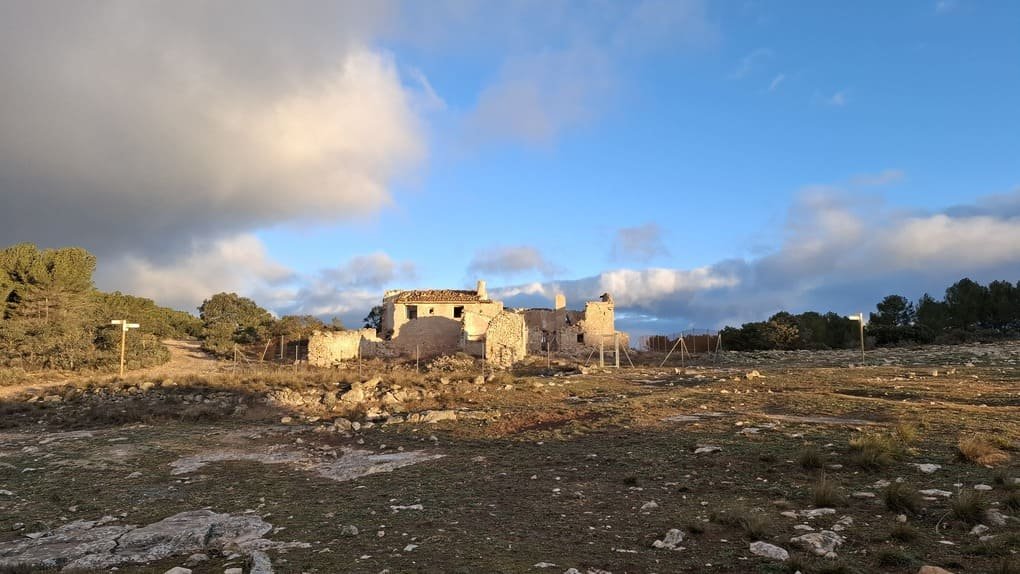
The Pla de les Caves spreads across a flat stretch of ground ringed by hills, where the horizon opens up and the pace slows down. Here, the relationship between people and the land has left its mark:

  • Old farm buildings
  • Small structures built for storage
  • Plots that still show the pattern of traditional rain-fed farming

The name “les Caves” refers to storage spaces and small cavities historically tied to farming and to keeping produce through the year. Now absorbed into the landscape, these structures are a reminder of an economy built on hard graft, self-sufficiency and making the most of whatever the land provided.
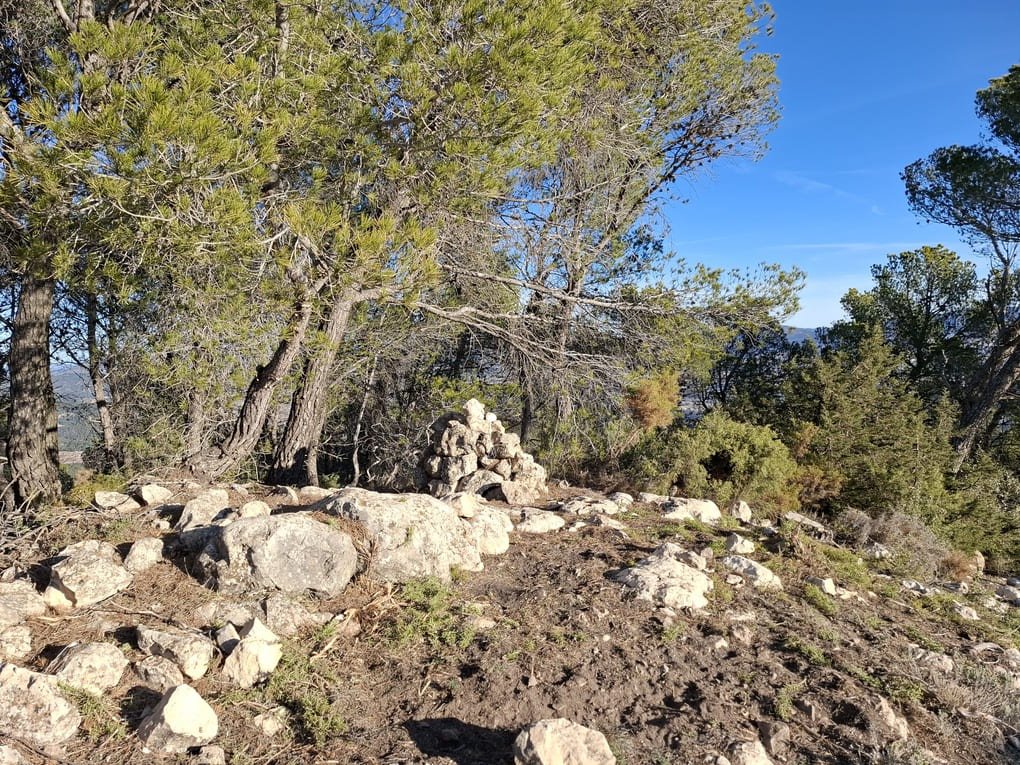
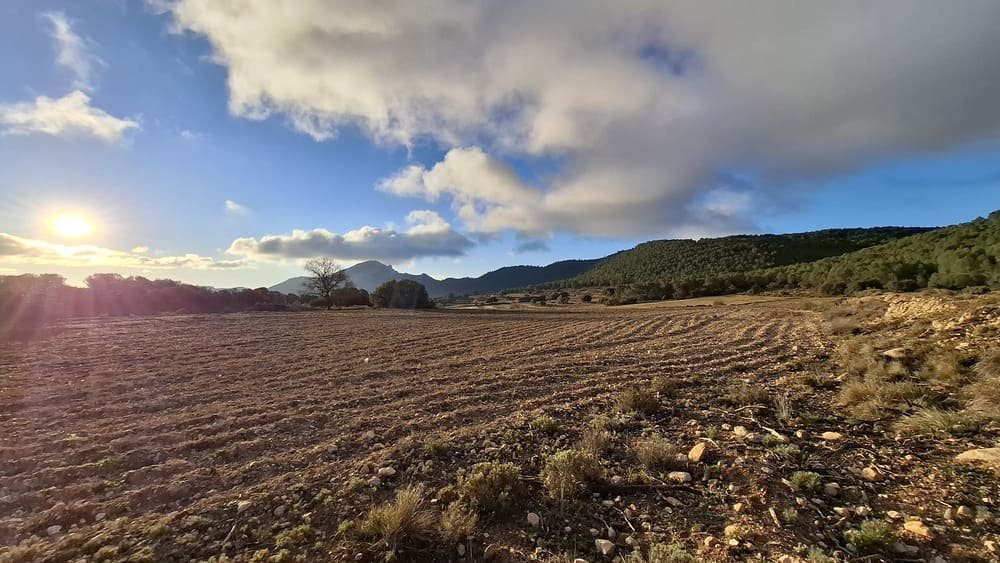
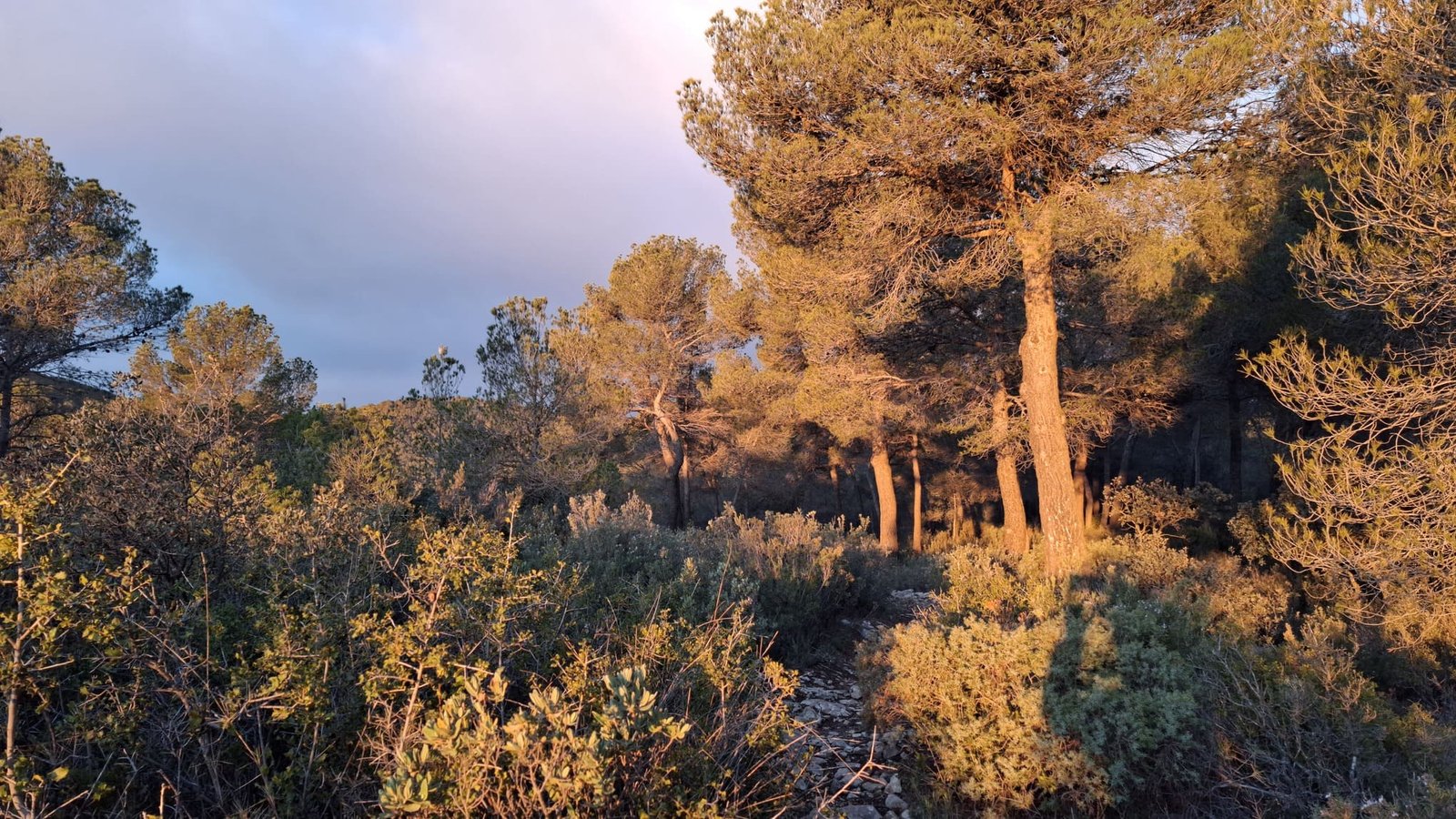
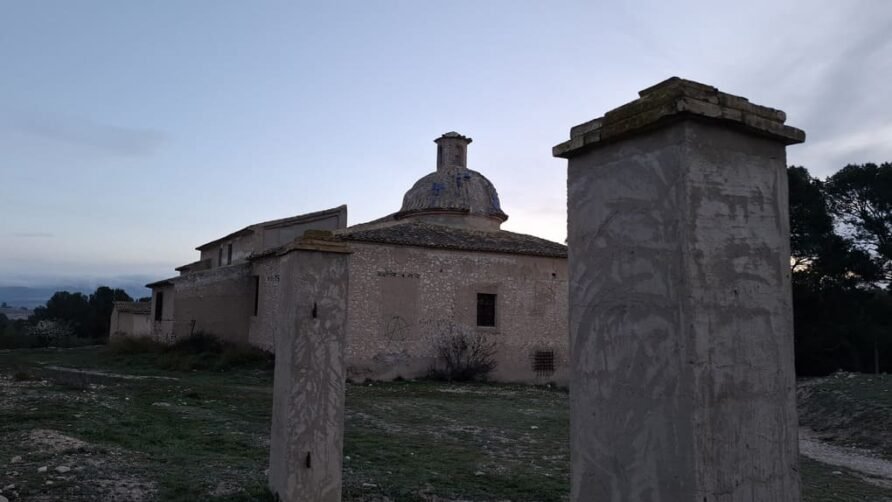
Landscape at Pla de les Caves (Plascaves) in Castalla, inland Alicante

Farming, tradition and rural life

For centuries this area was a place of work for families growing cereals, almonds, olives and vines. Inland Alicante has depended historically on secano farming — unirrigated land, watered only by the rain — adapted to the Mediterranean climate and to the rhythm of the seasons.

Walking through Plascaves is a way of understanding:

  • How the fields were laid out
  • How tools and harvests were stored
  • How vernacular architecture answered to function and to its setting

Places like this were never designed for tourism; they were designed for real life. Perhaps that is exactly where their authenticity lies.


The Pla de les Caves today

Today Plascaves keeps the quiet, rural character that defines the inland side of Castalla. It is not crowded and it has not been over-restored. It is, precisely, somewhere to:

  • Walk without rushing
  • Enjoy the silence
  • Reconnect with nature
  • Discover short routes on foot or by bike

Other natural spots lie very close by, such as Xorret de Catí or the Sierra del Maigmó, which round out a break of gentle activity and local culture in the area.

What makes Plascaves valuable today has nothing to do with big infrastructure and everything to do with how well it has kept the essence of the place.
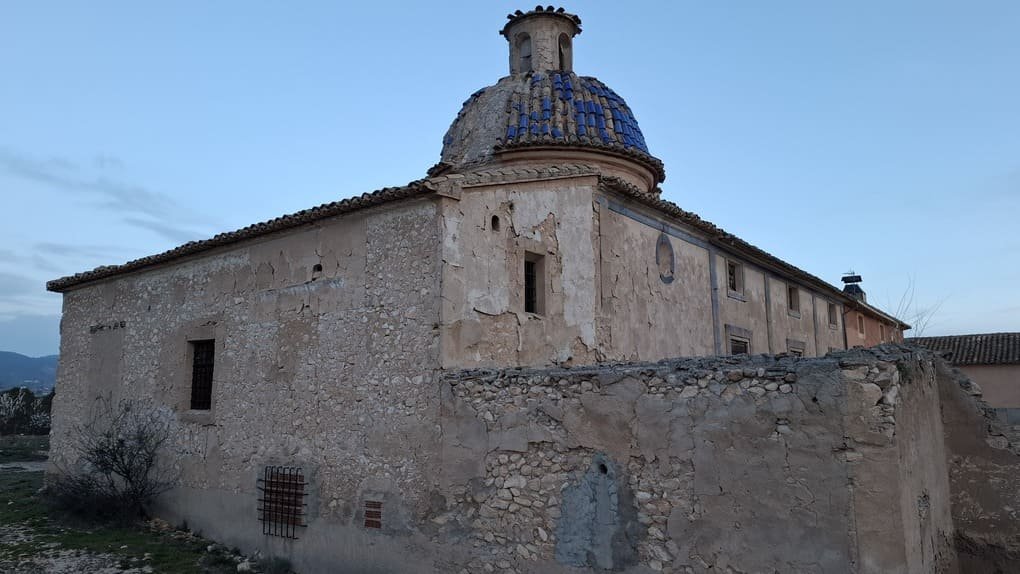
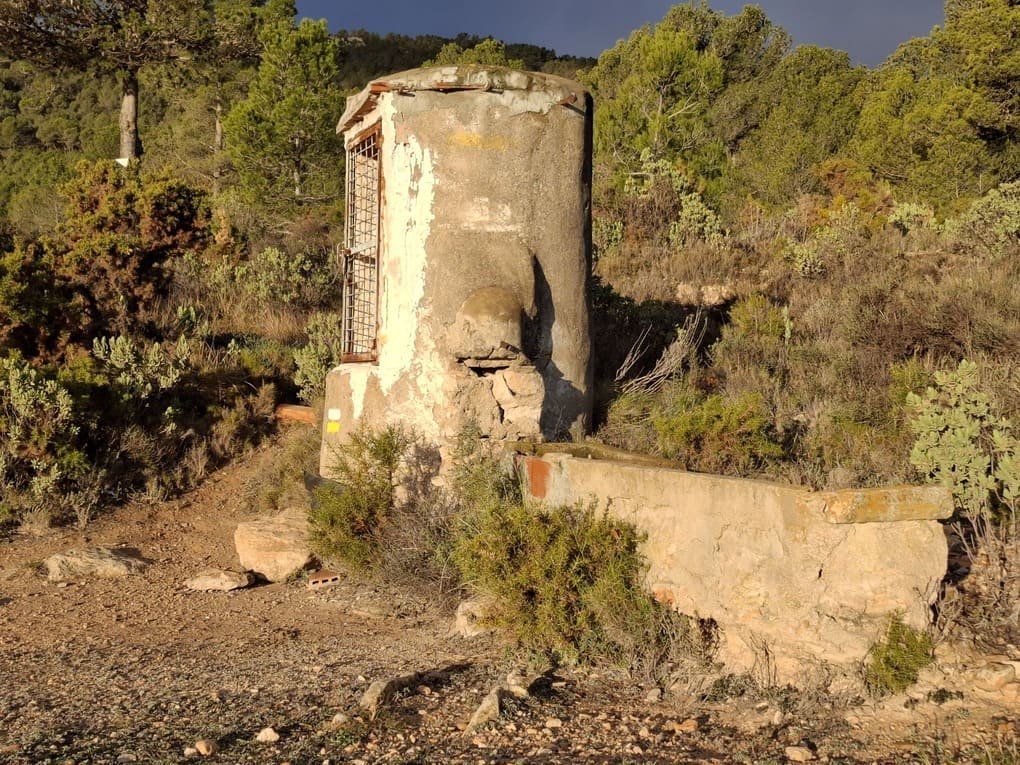
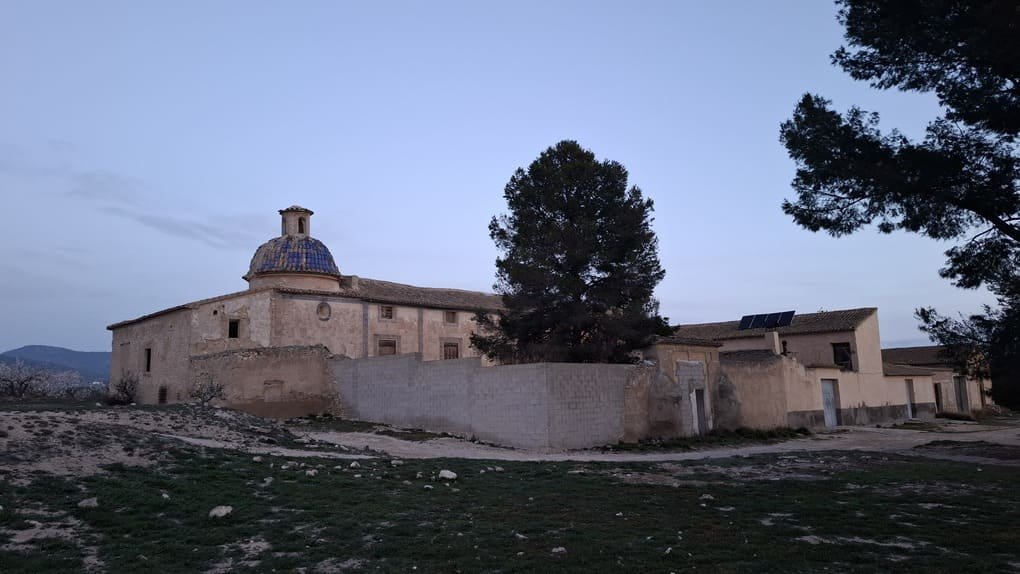
Small chapel with a blue-tiled dome beside a ruined farmhouse at Pla de les Caves, Castalla

Inland travel: discovering what is not always on show

At a time when more and more travellers are after something genuine, inland Alicante offers a different proposition: landscape, history and calm.

Visiting places like Plascaves lets you:

  • Understand traditional farming culture
  • Explore the natural heritage of Castalla
  • Discover the local food after a day outdoors
  • See the old town with fresh eyes

This is slow, thoughtful travel, lived close up.
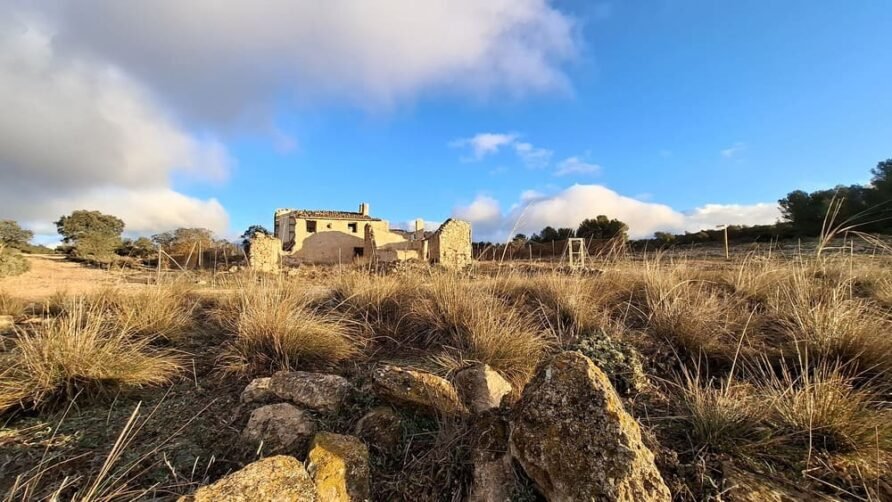
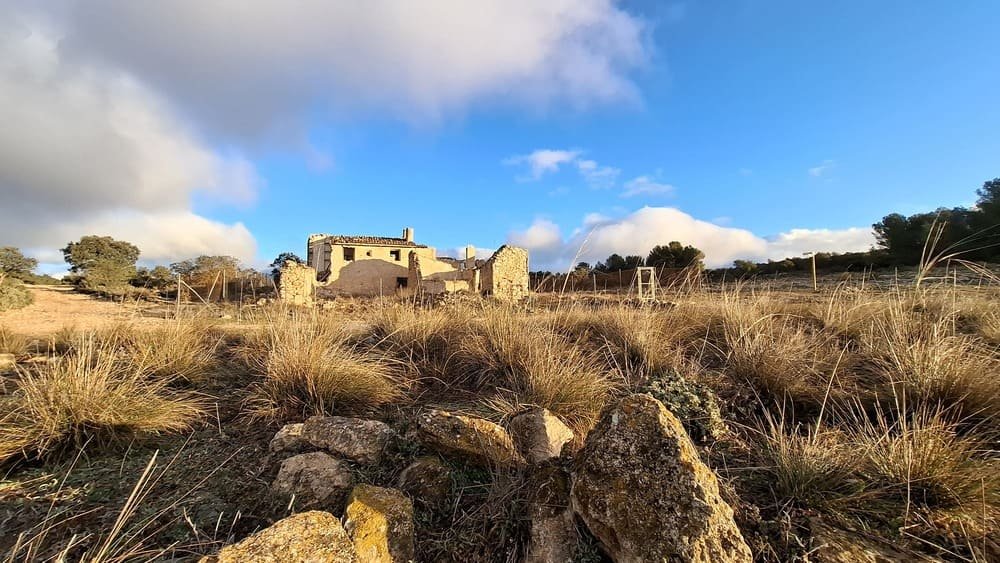
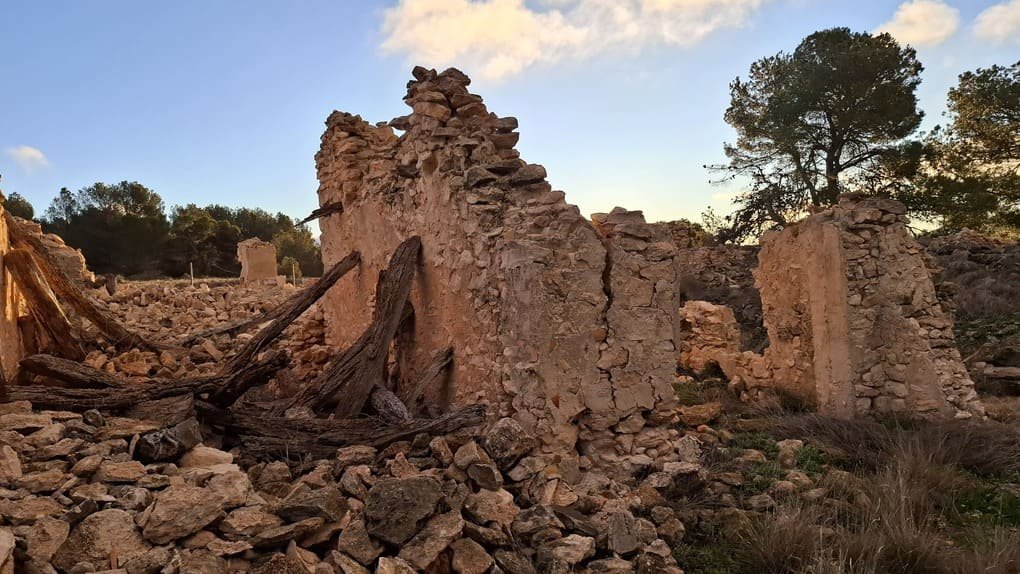
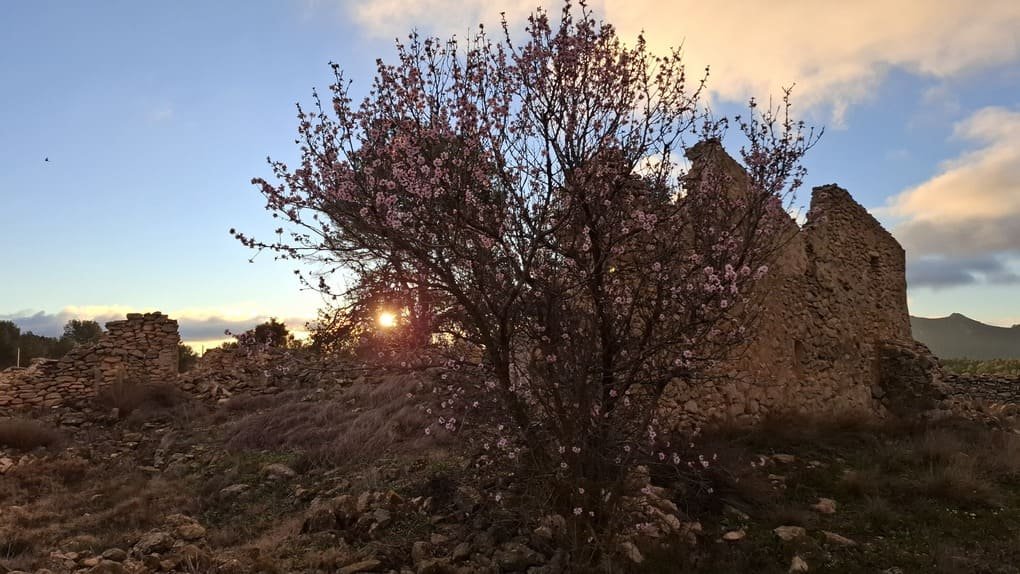
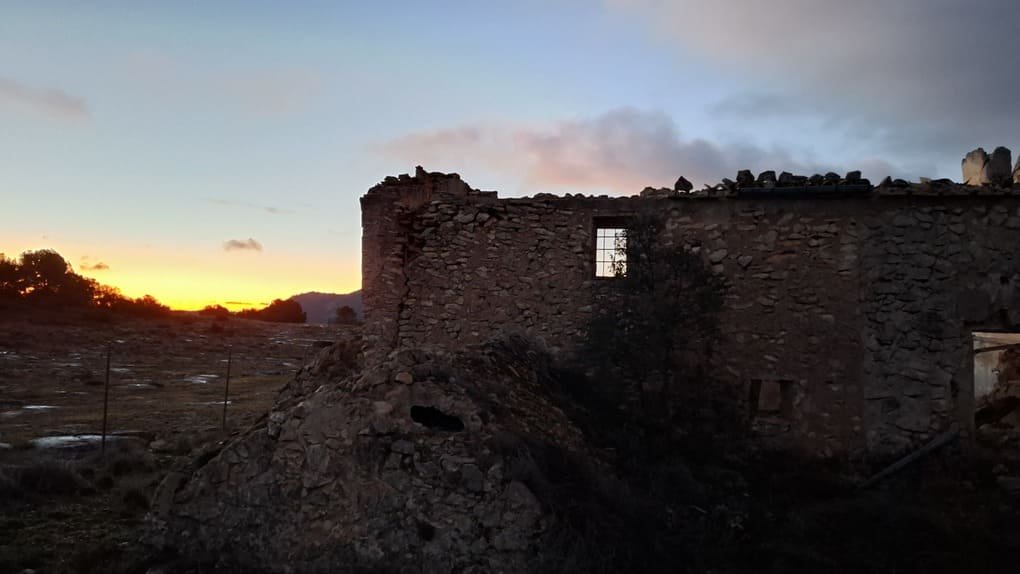
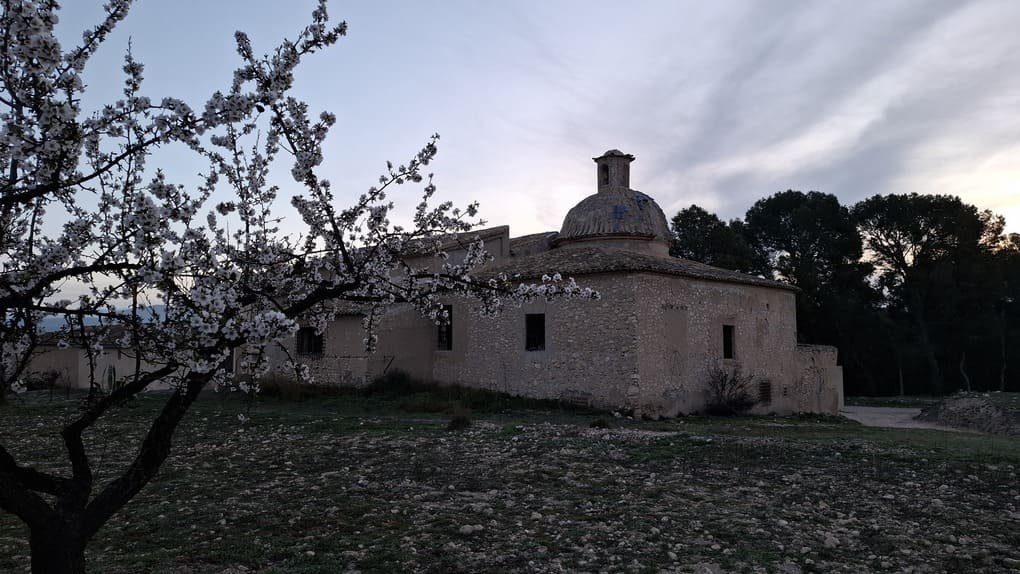
Ruined stone farmhouse among almond trees at Pla de les Caves, inland Alicante

A different kind of break in Castalla

After walking the Pla de les Caves and letting the calm of the place sink in, there is nothing better than carrying on in the heart of the old town.

Castalla brings together nature, heritage and tradition. Walking up to the castle, enjoying the local cooking or simply switching off from the daily grind are all part of a break that goes well beyond somewhere to sleep.

For anyone who wants to sink into inland life with comfort and authenticity, having somewhere welcoming and well placed to stay makes all the difference. A weekend in Castalla can turn into a chance to rediscover the quiet, the landscape and the history that still beat in places like Plascaves. That is where we come in: Casa Rural Castalla. Get in touch and we will help you put together a route around the area.


Inland Alicante keeps secrets that only reveal themselves to those who explore without rushing. The Pla de les Caves is one of them. And Castalla is the ideal place to start.

❓ Frequently asked questions about the Pla de les Caves (Plascaves)

The Pla de les Caves, also known as Plascaves, lies within the municipality of Castalla, in the province of Alicante. It is a rural area inland from the Costa Blanca, surrounded by traditional farmland and very close to walking routes and natural areas such as Xorret de Catí and the Sierra del Maigmó.

The name refers to old buildings and storage spaces linked to farming. “Caves” points to the cavities and structures once used to keep produce or field tools, and it reflects the rural tradition of the area.

Plascaves is ideal for gentle walks, cycling and easy hiking. It is a perfect spot for enjoying the silence and the countryside, and for understanding what traditional farming life in inland Alicante was like.

Yes. Castalla is a perfect destination for an inland break. It combines countryside, historic heritage such as Castalla Castle, local food and outdoor routes. It is ideal for switching off without straying far from the coast.

As well as Plascaves, you can visit Castalla Castle and the old town, head out to Xorret de Catí and the Sierra del Maigmó, and enjoy the mountain-biking and walking routes across the Foia de Castalla, the wide basin the town sits in.

Inland you get quiet, authenticity and direct contact with nature. It is perfect for anyone after a slower, less crowded kind of travel with a stronger cultural and scenic connection.

Spring and autumn are especially pleasant, with mild temperatures and the landscape at its best. That said, the inland Alicante climate means you can enjoy the area for most of the year.

🧠 Quick guide to the Pla de les Caves (Plascaves) – Castalla


What is the Pla de les Caves in Castalla?

The Pla de les Caves, also called Plascaves, is a rural area within the municipality of Castalla (Alicante). It is a place historically tied to traditional secano farming — rain-fed, unirrigated land — where you can still see old buildings connected with storage and agricultural work.

These days it is a quiet spot, ideal for a walk and for getting to know the rural history of inland Alicante.


Why is Plascaves worth visiting?

Because it lets you discover a lesser-known side of Castalla:

  • A traditional farmed landscape
  • Countryside without the crowds
  • Local history rooted in working the land
  • Perfect ground for walks and gentle routes

It is a perfect place for anyone looking for genuine, unhurried travel in inland Alicante.


What kind of trip suits this area best?

Plascaves belongs to inland travel, and it suits:

  • Weekend breaks
  • Walking and nature
  • Cultural and rural travel
  • Travellers looking to switch off
  • Anyone who loves Mediterranean landscapes

It is not a destination of grand infrastructure, but of simple, real experiences.


How long do you need to see it?

It slots easily into a half-day route alongside:

  • Castalla Castle
  • A stroll through the old town
  • Walking routes at Xorret de Catí
  • Traditional local cooking

It works well as part of a full break into the inland side of the province.


Is inland Alicante worth visiting?

Yes. Inland you get:

  • Fewer crowds
  • Mountain scenery
  • A pleasant climate for most of the year
  • Genuine culture and traditions
  • Close to the coast without being on it

Castalla is one of the best places to start exploring this part of the province.


Where should you stay to explore Plascaves and Castalla?

To make the most of the surroundings, the ideal thing is to stay in the old town of Castalla, from where both the cultural heritage and the countryside routes are easy to reach.

A two- or three-day break gives you time to see Plascaves properly, walk up to the castle, try the local cooking and enjoy the quiet of the interior.

Carrer Major 33 Castalla, Alicante 03420
Monday, Tuesday, Wednesday, Thursday, Friday, Saturday, Sunday00:00 – 23:59
+34 601 994 695

Ready to experience inland Alicante?

Book your stay at Casa Rural Castalla and take your time discovering places like Plascaves, Castalla Castle and the Sierra del Maigmó. Your inland Alicante getaway starts here.
Barranc del Pla de les Coves: A Ravine Walk in Inland Alicante

If you love the outdoors and a good day’s walking, there is a corner of inland Alicante you should not miss: the Barranc del Pla de les Coves. Barranc is the Valencian word for a ravine, a steep-sided gorge cut into the limestone, and this one lies between the towns of Tibi and Castalla, about half an hour inland from Alicante and its airport. It belongs to the dramatic relief of l’Alcoià, the mountainous district that rises behind the Costa Blanca, and it is ringed by imposing sierras: l’Arguenya, Castalla and the Maigmó. Beyond its natural beauty, the ravine offers a rare link with the farming history and traditions of the area.

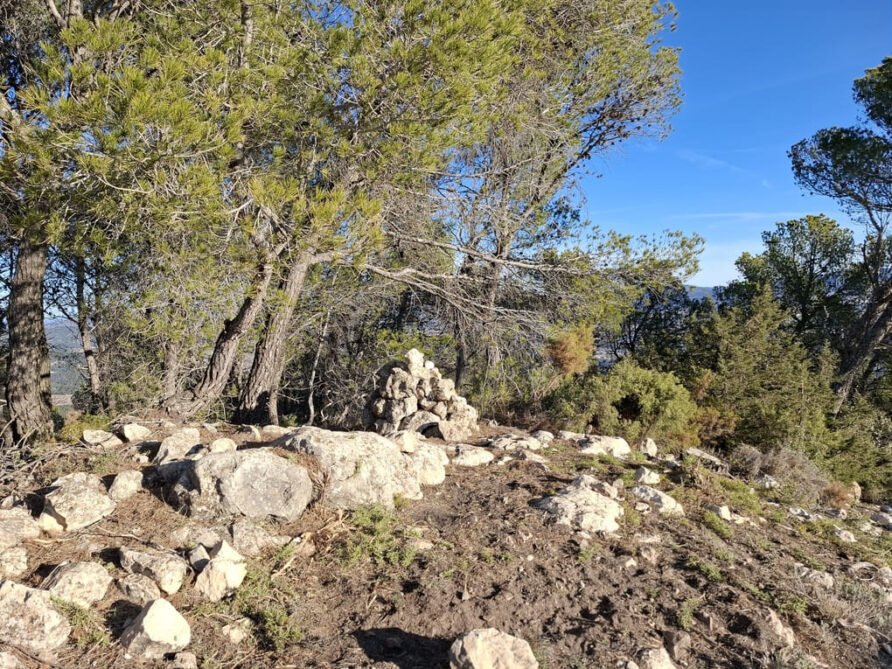
Barranc del Pla de les Coves ravine between Tibi and Castalla

A walk through the history and geography of the area

The Barranc del Pla de les Coves is a striking landform that has become a landmark for walkers and anyone with a taste for adventure. Around it stand historic masies — the traditional stone farmsteads of inland Valencia — among them Casas de Planisses, Mas del Pla de les Caves de Baix and Mas del Pla de les Caves de Dalt, silent witnesses to the farming and livestock traditions of the region. These old buildings still reflect the rural way of life that has carried on for generations in this corner of the Valencian Community.

The mix of flat ground and mountain here makes perfect walking country, with paths that take you into the purest Mediterranean landscape. The route offers scenery of real ecological value, with native plants and wildlife that add to the experience.

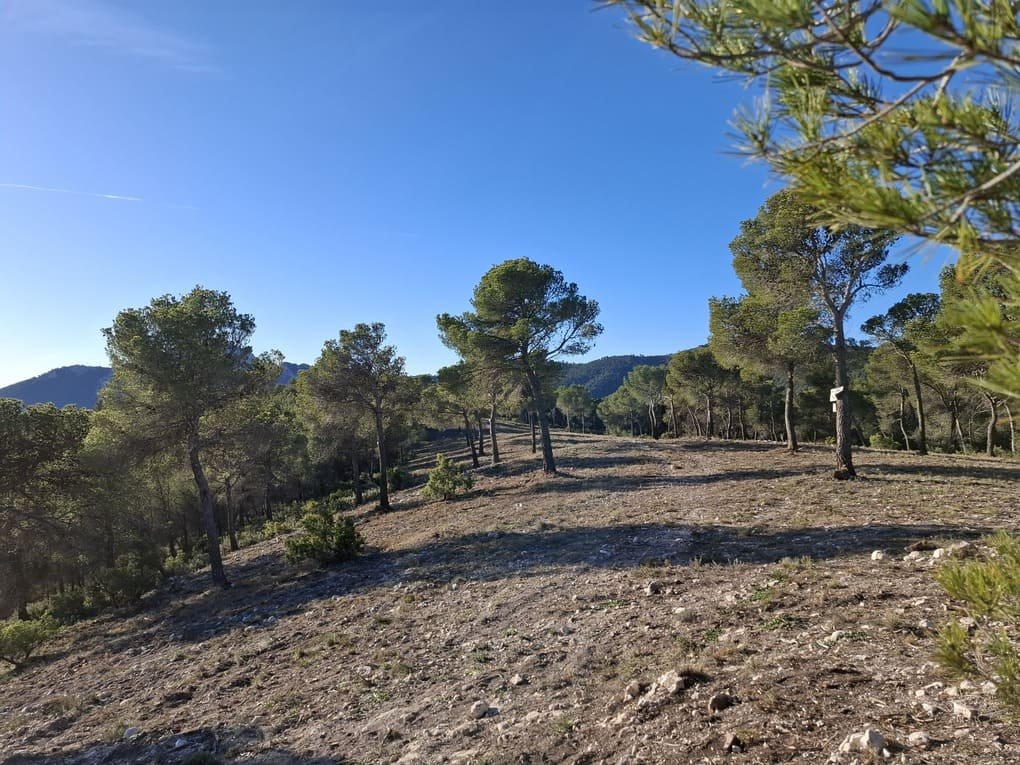
Walking route through the Barranc del Pla de les Coves

The walk: from the Barranc del Pla de les Coves to Xorret de Catí

For anyone after an outing that is manageable but full of beauty, we suggest a route of 9.69 km with 201 metres of ascent, graded easy in technical difficulty. It starts at Xorret de Catí, a mountain beauty spot and recreation area in the Castalla hills, and follows the Barranc del Pla de les Coves, with panoramic views you will not forget.

Alt del Barranc del Pla de les Coves – at 1,088 metres above sea level, this is a spectacular natural viewpoint, and from it you can pick out:

  • Tibi and its reservoir, one of the oldest still in use anywhere in Europe.
  • Ibi, the birthplace of the Spanish toy industry.
  • And, on a clear day, the Mediterranean on the horizon.

Ringed by historic farmsteads and by mountain scenery you will find nowhere else, this is ideal country for anyone who loves nature, walking and photography.

As you walk, you take in the contrast between the valleys and the sierras, with clean air and complete quiet. The route ends at Xorret de Catí, a spectacular spot with picnic areas and viewpoints that show off the scale of the Alicante mountains. As well as being a landmark for walkers and mountain bikers, it is a lovely place for a picnic in the open air, or simply to sit and do nothing somewhere special.

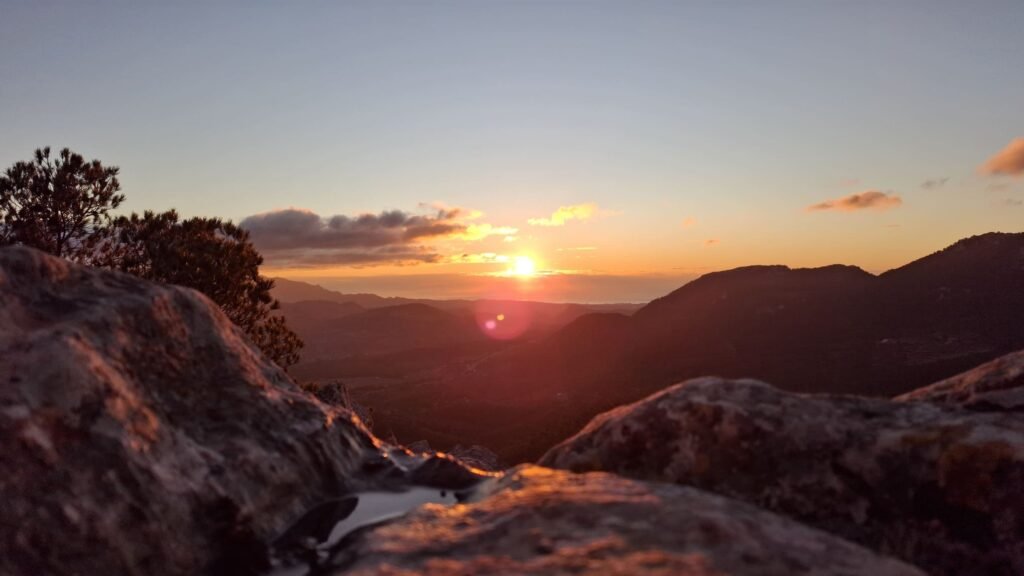
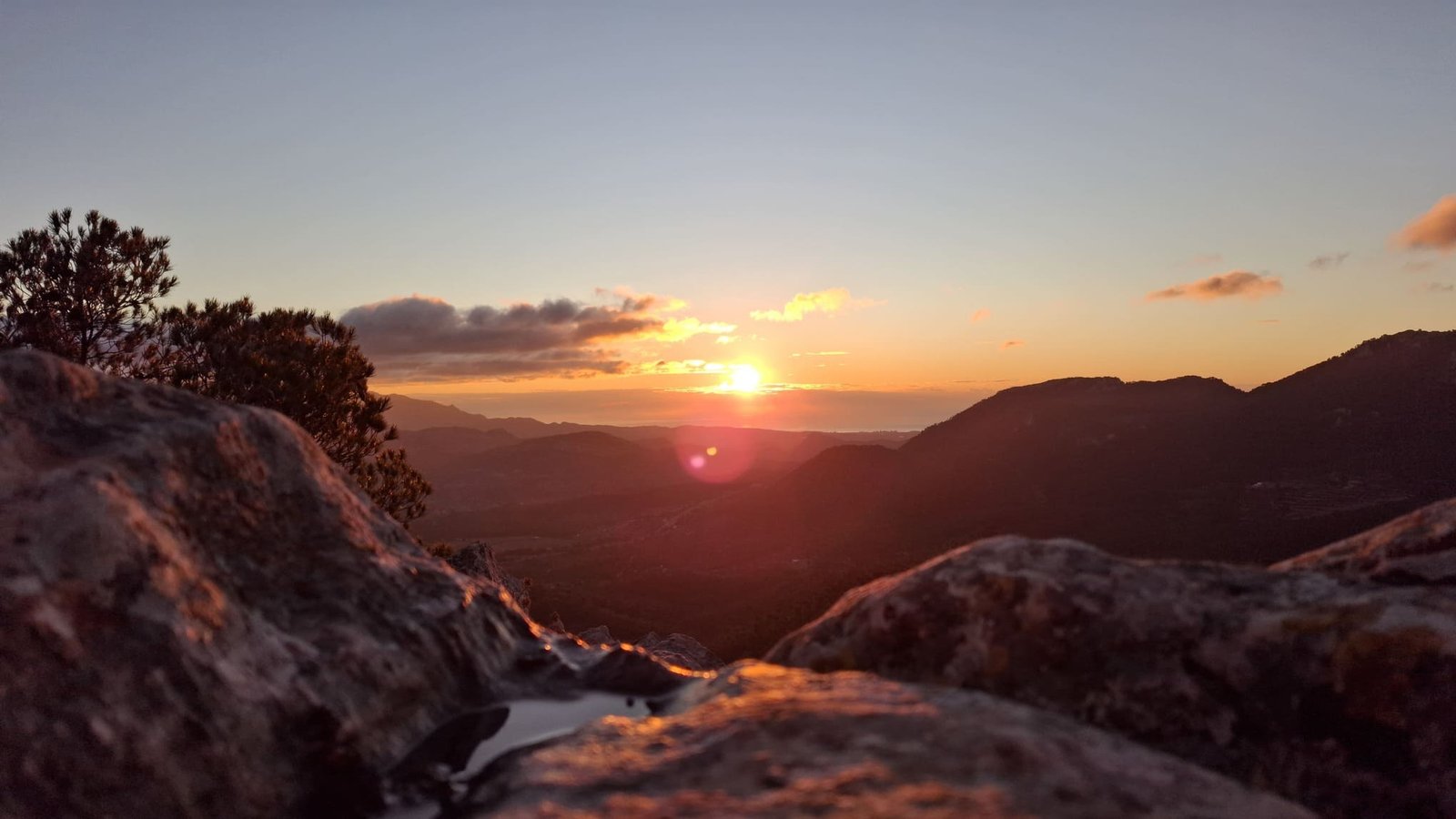
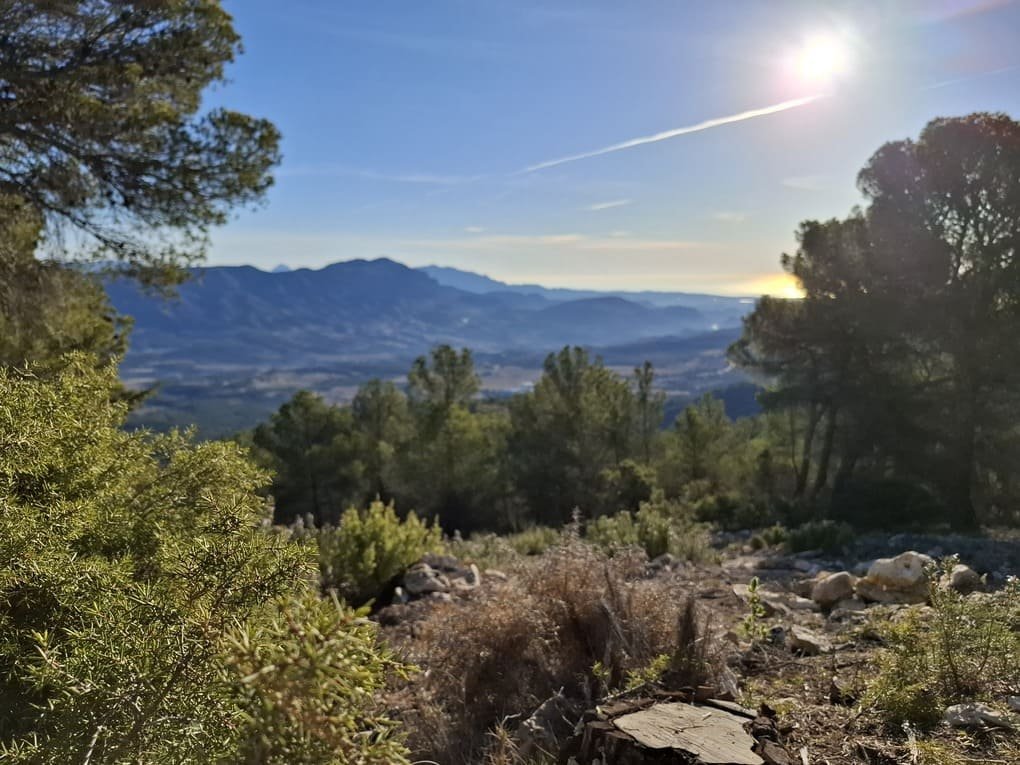
Viewpoint over the Barranc del Pla de les Coves at Xorret de Catí

Make a weekend of it with Casa Rural Castalla

Exploring the Barranc del Pla de les Coves is only the beginning of a perfect break in the open air. At Casa Rural Castalla we help you plan your route so that you get the most out of every corner of this remarkable landscape. Our house, in the old heart of Castalla, is the ideal base for discovering the scenery, the culture and the food of the area.

Make your stay a mix of adventure and comfort in a country house with character, where you can rest properly after a day out. We also give personal recommendations and adapt what we offer to what you need, so that your break is one to remember.

Plan your break now

If nature, walking and history are your thing, the Barranc del Pla de les Coves and Xorret de Catí are waiting for you. Do not miss the chance to see this side of inland Alicante for yourself. Get in touch and let us at Casa Rural Castalla plan the perfect day out for you.

Get in touch and get ready to explore the real heart of the Alicante mountains.

Ready to experience inland Alicante?

Book your stay at Casa Rural Castalla and take your time discovering places like Plascaves, Castalla Castle and the Sierra del Maigmó. Your inland Alicante getaway starts here.
Casas de Planisses, Castalla: Rural Heritage at Xorret de Catí

Set in a beautiful stretch of countryside, the Casas de Planisses — the farmhouses of Planisses, an area of upland farmland in the Castalla hills — are a little-known piece of architectural heritage with real historical and cultural value. They stand in the area of Xorret de Catí, within the municipality of Castalla (Alicante), in the inland hills behind the Costa Blanca, and they show a perfect fit between people and the land around them. Built with traditional materials such as stone, adobe and lime mortar, these houses stand out as much for their beauty as for how well they work, and they have become a symbol of the region’s vernacular architecture.

History and origins of the Casas de Planisses in Castalla

The Casas de Planisses date back to the end of the eighteenth century, although they only settled into a recognisable architectural type during the nineteenth. Rural life then depended largely on farming and livestock, so siting these houses on flat or gently rolling ground was essential to make work in the fields easier.

They were designed with a thoroughly practical outlook, but without losing sight of how they sat in the landscape. In that way the Casas de Planisses of Castalla became witnesses to a self-sufficient way of life, in which adapting to your surroundings was the key to getting by.

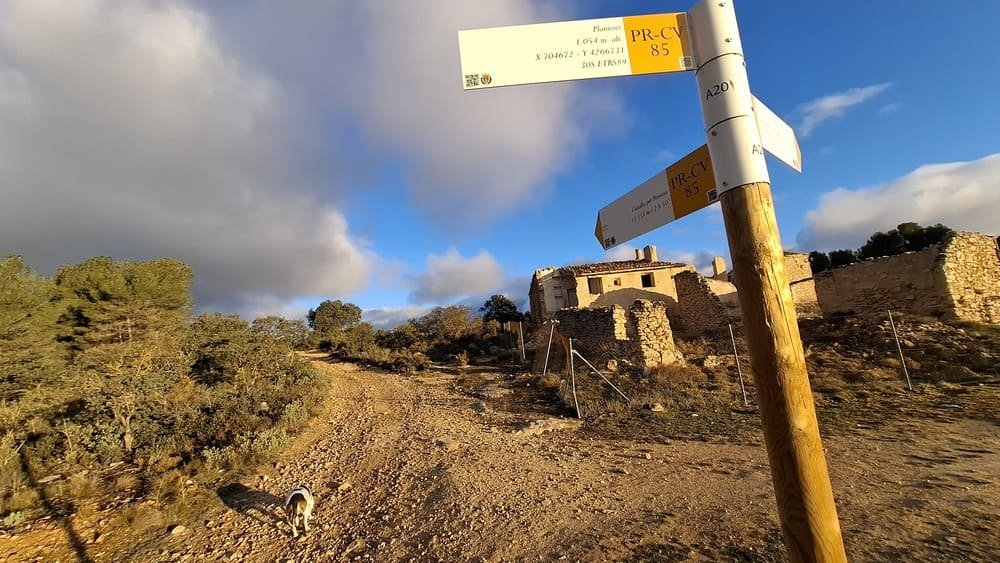
Casas de Planisses at Xorret de Catí

Architectural features: a conversation with the landscape

One of the most striking things about these houses is how comfortably they sit in the countryside around them. Choosing local materials did not only make them last; it also kept the temperature inside under control. Their main features include:

  • Thick walls of stone and adobe: built to stand up to whatever the Mediterranean climate throws at them.
  • A central courtyard: the family meeting point and a working space for everyday chores.
  • Pitched roofs: covered with curved clay tiles that shed rainwater.
  • An efficient layout: rooms arranged to make the most of natural light and ventilation.

At Xorret de Catí, a mountain beauty spot and recreation area in the Castalla hills, these houses stand in a remarkable natural setting, and the landscape has played a key part both in keeping them standing and in the way they are now valued as heritage.

Rural architecture of the Casas de Planisses in Castalla

Why conservation matters

For all their historical importance, many of the Casas de Planisses are at risk of disappearing through neglect and lack of restoration. In recent years initiatives have appeared that aim to preserve this architectural legacy and keep alive the memory of a way of life that is part of the region’s identity.

Restoration projects set out not only to recover the physical fabric of these houses but also to rescue their history and the traditions that go with them. Raising awareness of why these buildings matter is crucial if they are to survive.

Stone walls of the Casas de Planisses at Xorret de Catí

A destination for lovers of history and nature

If you enjoy history, architecture and country breaks, visiting the Casas de Planisses at Xorret de Catí is an experience you will not repeat anywhere else. This corner of the hills lets you admire buildings that are centuries old and, on the same day, walk the paths and enjoy the wildlife of the area.

Visiting them gives you a first-hand sense of how earlier generations lived, a moment to think about the relationship between people and their surroundings, and a good reason to value what is left of rural architectural heritage.

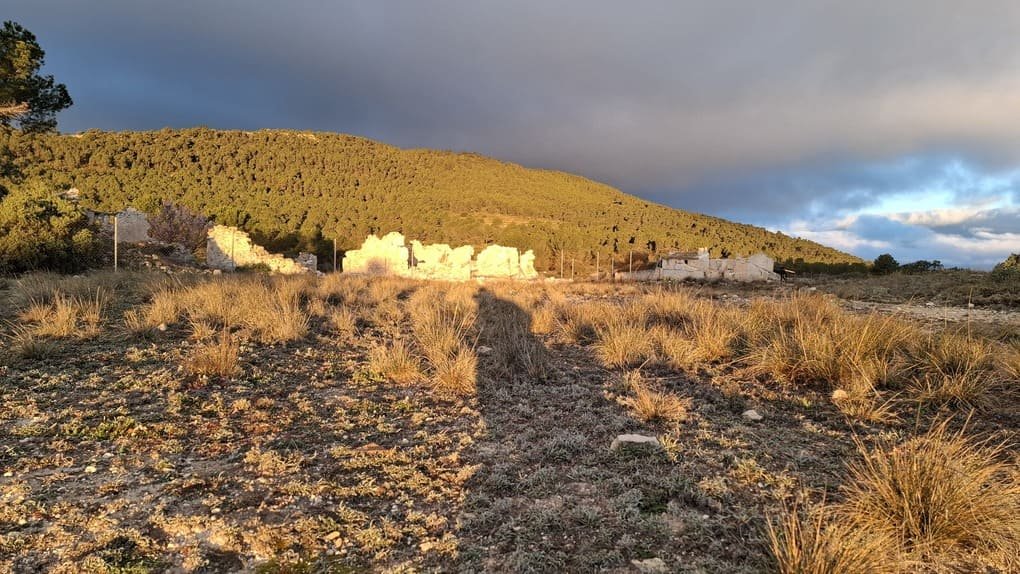
The Planisses landscape in the countryside around Castalla

Plan your weekend in Castalla

If you are after a different sort of break, come and spend a weekend in Castalla, staying at Casa Rural Castalla. We organise guided walks at no extra cost to see the Casas de Planisses, along with other landmarks of the area, always subject to the guide being available. It makes for a stay you will remember, in which history, architecture and landscape come together.

Message us about your stay and get ready to see Castalla in a different way.

In short

The Casas de Planisses are tangible evidence of the history and culture of this region. Their architecture, in tune with the land, and their historical importance make them an essential part of the Xorret de Catí landscape. Protecting them and telling people about them is fundamental if future generations are to go on admiring and learning from these gems of rural architecture.

If you have a soft spot for history and traditional architecture, do go and explore Xorret de Catí and see the charm of the Casas de Planisses in Castalla for yourself. Ask us about your break and spend a weekend full of history, nature and the real thing.

Casas de Planisses at Xorret de Catí
Rural architecture of Planisses in Castalla
Casas de Planisses at Xorret de Catí
The Planisses landscape at Xorret de Catí
Detail of the Casas de Planisses in Castalla
Stone walls of Planisses in inland Alicante
The natural setting of the Casas de Planisses at Xorret de Catí
Vernacular architecture of Planisses in Castalla
Casas de Planisses among the mountains of Castalla
Rural landscape of Planisses at Xorret de Catí
The Casas de Planisses at first light
Casas de Planisses in the Xorret de Catí countryside

Ready to experience inland Alicante?

Book your stay at Casa Rural Castalla and take your time discovering places like Plascaves, Castalla Castle and the Sierra del Maigmó. Your inland Alicante getaway starts here.